
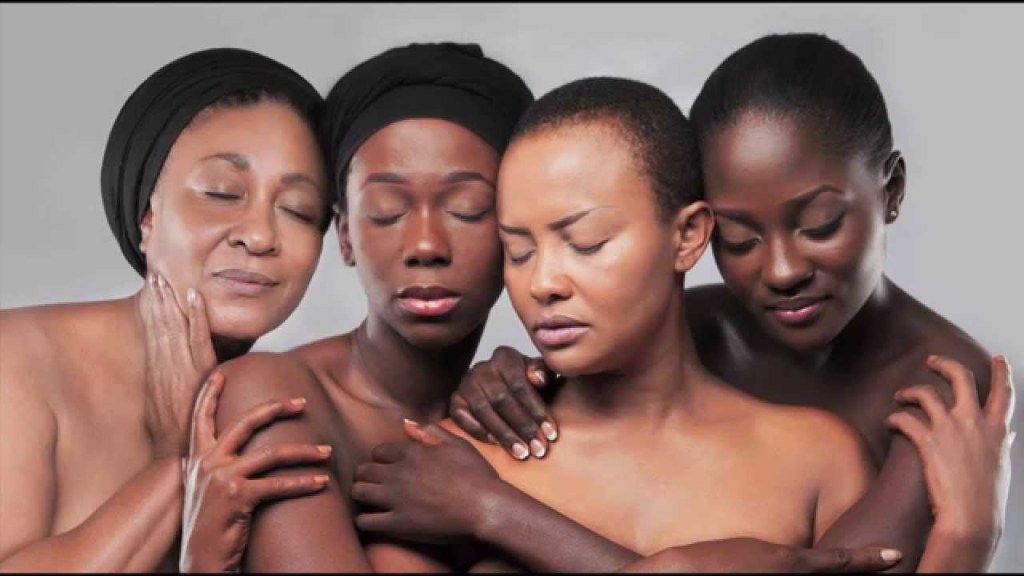
You mostly hear people say:
“The fairer the better”
“Your worth as a woman means nothing if you have a darker pigment” – Shades of Black
Dangerous skin bleaching has become a threat to public health and it is widespread despite its potential toxic health implications. Studies show that most women are not aware of the potential health risks of the skin bleaching products and despite the warnings and bans in several countries its businesses are booming. Skin bleaching is mainly triggered by cosmetic reasons which sterns from deep economic, sociocultural, historical and psychosocial backgrounds. The practice is prevalent among different populations across different geographical areas. While skin bleaching is more common among women, it’s increasing in men, young adults, even teenagers and children (including newborns). The demand for skin bleaching products keeps increasing mainly in parts of Asia and Africa. Dark skin has always been associated with poverty and inferiority where white skin has always linked with wealth and attractiveness. There have been several anti-skin bleaching campaigns on social media to create awareness about the dangers involved:
#Say No to Skin Bleaching/Toning #In My Skin #Dark is Beautiful #Stand Out #Natural Skin #Melanin Appreciation #Stop depigmentation
Skin bleaching is also known as skin lightening, skin-evening creams, skin brighteners, skin whiteners, skin toners, fading creams, or fairness creams. It involves using skin creams, soaps and pills to achieve a lighter skin tone by reducing the production of melanin. Dark people has more melanin and most of them use skin bleaching products to minimize dark spots, fade acne scars, and even out skin tone.
From a medical view, there is no need to lightening/ bleaching your skin as there are health risks associated. There is no health benefit to skin bleaching
How to find out if a skin lightening product is harmful
Read product labels to verify that skin lightening products don’t contain the following substances:
- Hydroquinone
- Betamethasone dipropionate and clobetasol propionate
- Corticosteriods
- Glutathione
- Mercury: It is associated with adverse neurological, psychological and renal effects.
Skin Bleaching and Pregnant women
Skin bleaching products are also used by pregnant women and even those breastfeeding. Most women believe using these products don’t have any side effects for themselves or their children. Instead skin bleaching products containin mercury, when used can have the ability to cross placenta with toxic effects for the fetus. A study by Mahe et al (2007) revealed that cosmetic products with hydroquinone and corticosteroids that are used by pregnant women often affects birth and placenta weights.
Some associated health concerns (Side effects)
Public health information and consumer information on the potential health risks of skin bleaching are not readily available and very limited. Most women, using these skin bleaching products, have no idea about the health risks involved. Despite the ban, national and international regulations on skin bleaching products, it has not been prioritised and it is still available in the markets. Side effects reported using these products are:
- Dermititis: symptoms include skin redness, blisters, skin ulcers, scaly skin, itching, burning and tenderness (healthline)
- Impaired wound healing
- Adrenal suppression
- Mercury poisoning: it can result in high blood pressure, fatigue, kidney and liver failure, tremor, irritability, brain damage, numbness (healthline)
- Exogenous ochronosis: a skin disorder that causes blue-black pigmentation.
- Steroid acne
- Cancer
Skin bleaching does not only pose medical risk but also mental health and financial issues. This problem has been a habit of feeling inferior from years of brainwashing. Some consumers are addicted to these products and spend any amount of money to get a lighter skin. Others end up in anxiety and depression when they don’t earn the attention needed or did not get the expected skin tone.
Still need a skin bleaching product? You can DIY…
Here are some home remedies that can be effective as well when used wisely.
- Lemon Juice
- Apple Cider Vinegar
- Aloe Vera
Ps. These are recommended for treating dark spots and not lighten your skin.
 The Feminist Health CIC