
Gender inequality, Global health leadership, safe pregnancy and Childbirth
Indeed, we are in trying times with no end date to COVID-19 pandemic and the world is experiencing a new reality. Although we are all in this together, some groups of people tend to suffer more during this crisis. We have identified that women, seniors and children are more at risk exposing them to basic right and health challenges. Individuals included are those living in poverty, pregnant women, nursing mothers, women with disabilities, older women, refugee and migrant women and new babies. It is important to address the needs of women and newborns at risk by giving them the protection and support during this crisis.
There is great concern about how the coronavirus pandemic can impact women’s health. 70% of frontline health and social care workers are women who are working punishing schedules, increasing risks of infection and burnout. Many of these frontline workers while saving lives are in fear of getting infected and transmitting it to their family members who may be younger or older with weak immune system. “These women [in health care professions] also have responsibility to take care of parents, who are older, school-aged children, so their lives are enormously impacted by worrying about elderly relatives and by school closures” says Nielsen, senior associate dean for health policy at the University at Buffalo. Recently, a U.K. nurse died from COVID-19 during an emergency caesarian section but the baby survived.
While most women have been impacted economically, mentally and health issues amid this pandemic, some of them are suffering from domestic violence by their partners. Women are confronted more with threats on their safety and freedoms now than ever as domestic violence victims are confined with their abusers and the pandemic impedes access to reproductive health care. According to the United Nations, violence against women has increased by more than 25% in many places around the world. Helplines in the US, Canada and other countries have reported on getting coronavirus-related calls from domestic abuse victims. Anecdotal evidence points to a rise in domestic violence linked to COVID-19 lockdowns: patterns of increasing abuse are already being reported in countries including in Brazil, Germany, China and Greece.
Mass school closures all over and women are largely responsible for childcare as well as attend to their full-time or part-time jobs. Those who are poor, working in service jobs that cannot be done from home, and those without paid leave are especially vulnerable. Another unintended consequence of school closures is strain on health systems, according to UNESCO, with many medical professionals struggling to find childcare.
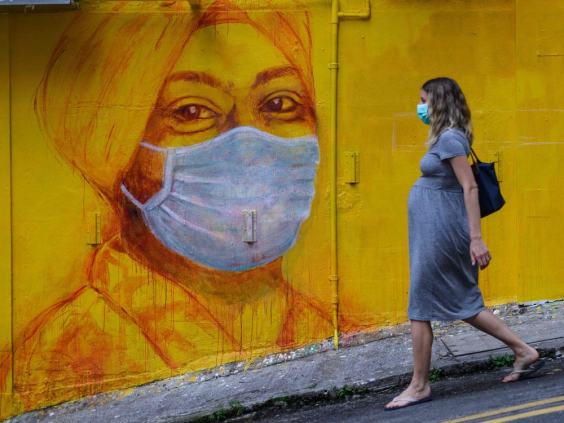
Pregnant women are very anxious at the moment as they ask questions like “what will happen if I get the virus? What if I gave it to my baby?” It can be terrifying as there are little to no answers to their question with still enough unknowns and no good evidence-backed data about the virus and its impact on pregnancy. Several national health organizations advise pregnant women should follow the same precautions as everyone else. As of April 3, the Centers for Disease Control and Prevention (CDC) has been advising that everyone, including pregnant women, also cover their nose and mouth in public with a cloth face mask.
- Are pregnant women at more risk of complications from COVID-19?
According to a study in the American Journal of Obstetrics & Gynecology MFM, pregnant women are less likely to suffer severe effects than anyone else from COVID-19 which highlighted that the severity of the cases closely resembled the pattern for patients who are not pregnant, with 86 percent of cases being mild and only 14 percent severe or critical. Another study identified that pregnant women hospitalized for severe or critical cases of respiratory illnesses including COVID-19 infection may be at greater risk of pregnancy complications. It suggested that in severe cases, most of which included pneumonia, these illnesses can cause greater risks of preterm births, preeclampsia, C-sections and perinatal death.
- If a pregnant woman gets the virus, will the baby also get it?
According to CDC, mother-to-baby transmission of coronavirus during pregnancy unlikely to happen, but after birth a newborn is susceptible to person-to-person spread. The virus has not been detected in amniotic fluid, breastmilk, or other maternal samples.
- Can I still access health services for prenatal care and child delivery?
Healthcare services for pregnant women and delivering babies is still considered an essential service, but it is advised that women with low-risk pregnancies should reduce the in-person prenatal care visits and used phone and online consultation. In rural or poor communities with communication barriers and without access to primary healthcare, this option is not possible and would be challenging.
- Hospital delivery or home births?
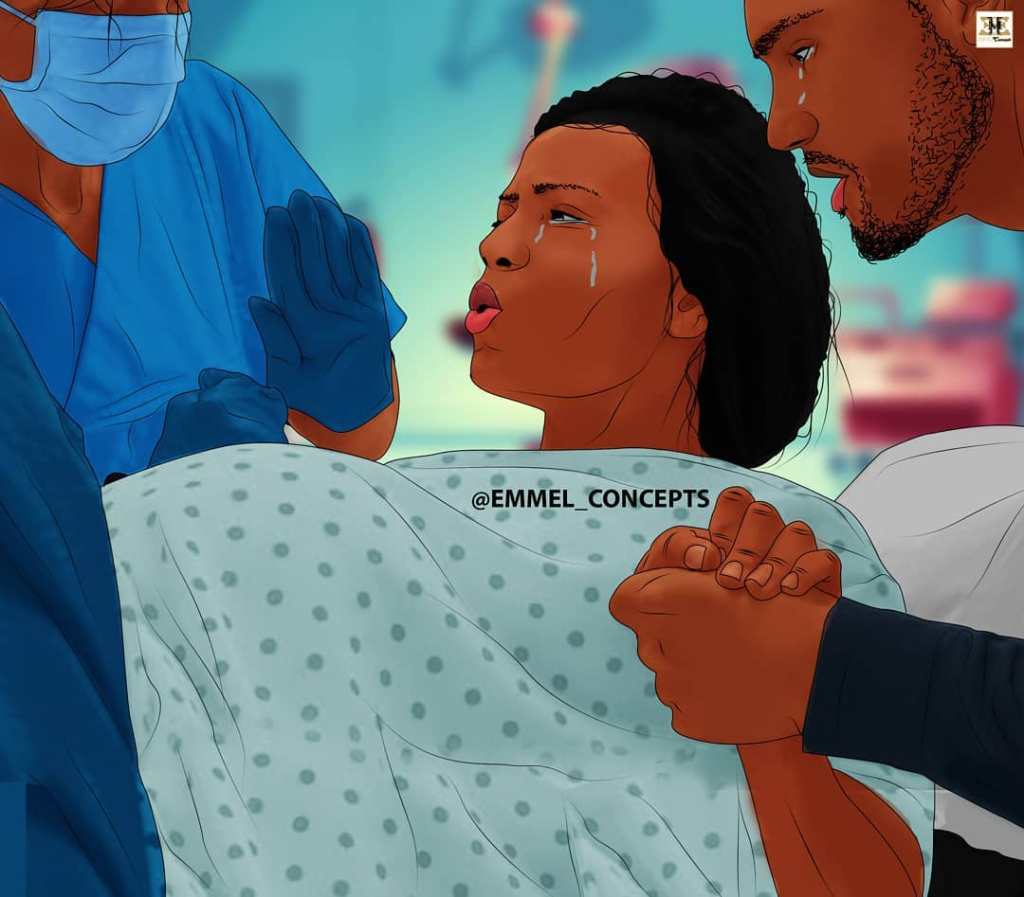
Pregnant women are asking if they can be safe while giving birth in a hospital congested with COVID-19 patients. “As many as eight out of ten pregnant women who have covid-19 may be asymptomatic yet contagious; they could pose an extra danger to other women and providers if they aren’t identified,” said Chaur-Dong Hsu, chair of the Wayne State University Obstetrics and Gynecology Department in Detroit. Research suggests that the hospital is the safest place to give birth and home birth poses a high risk of perinatal death and increased risk of neonatal seizures or serious neurological dysfunction.
- Can I breast-feed my baby?
According to CDC, breastfeeding is still important and the best source of nutrition for most infants. Many doctors are advising if the mother is sick or tested positive for COVID-19, she should wear face mask for direct breast feeding or use breast pump. Few studies have reported that, COVID-19 has not been detected in breast milk; however we do not know for sure whether mothers with COVID-19 can spread the virus via breast milk.
- What can I do with the stress and anxiety during pregnancy?
As all of us are feeling the pressure amid this pandemic, pregnant women maybe experiencing more of it. Doctors are encouraging pregnant women with histories of anxiety should seek counselling, stay in touch with family and friends and majority of anti-anxiety medications and antidepressants can be safe. On the ACOG website includes a breathing exercise for expectant mothers coping with stress: Breathe in for 4 seconds, hold for 7 seconds, and breathe out for 8 seconds. Repeat three times.
What about the health of Migrant and Refugee women?
We cannot abandon Migrant and Refugee Women during the COVID-19 crisis.Research has estimated about 9.5 million women could lose access to contraception and safe abortion because of the COVID-19 crisis—which will lead to women and girls dying from entirely preventable causes.Health services, including mental health care, for refugees and migrants are generally scarce. Sexual and reproductive health services—despite constituting lifesaving care for refugee women and girls—is often the first on the chopping block in an emergency, leaving women at risk of increased maternal mortality and morbidity, sexually transmitted infections and unintended pregnancy. In addition, the risk of exposure to COVID-19 is particularly acute for refugees. Physical distancing is a privilege that most migrant and refugee women and girls can’t afford (Ms. Magazine).
In the context of the COVID-19 pandemic, we have seen women around the world serving on the frontlines as medical professionals, emergency workers, caregivers and other essential personnel who are courageously stepping up and responding to the needs of those affected by the pandemic.” It also acknowledged that measures such as stay-at-home orders “may further endanger” women and girls. Especially for the vulnerable populations, Global leaders and the humanitarian community should prioritize and invest in community-based organizations and offer financial flexibility and extended deadlines. There is the need to ensure available information and care on COVID-19 is readily accessible to all girls and women; and acknowledge the differences in girls and women’s experience during this pandemic.
 The Feminist Health CIC