
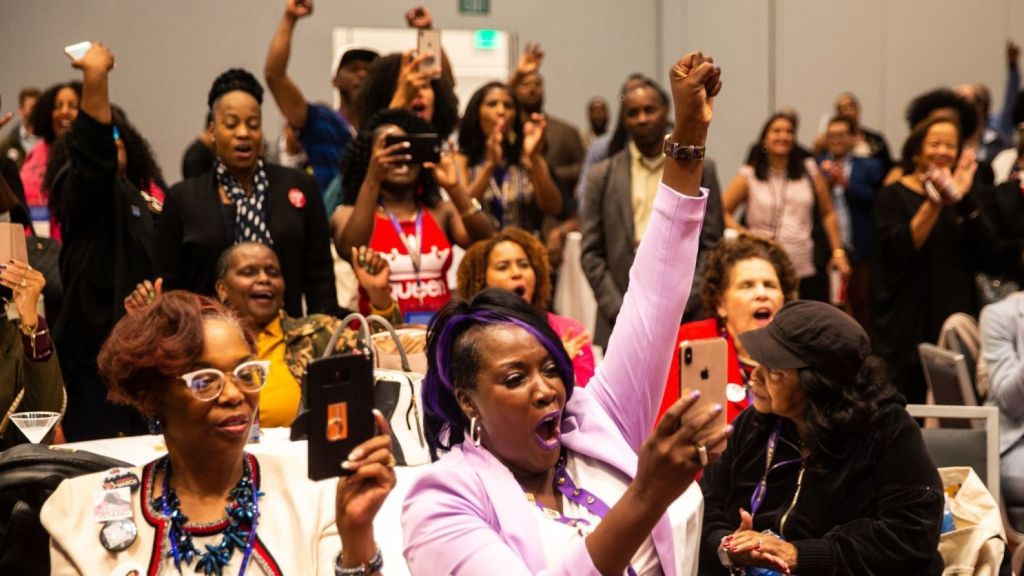
Women of color have been the real heroines of the US election. The push for justice and gender equality in politics carried over the years has seen major gains in recent years and, women of color have made significant impact by moving into executive power. They have been faced with systematic barriers that side-lined them from casting ballots and winning a political office. Despite society trying to neglect the contributions of women of color throughout history, they have always been the visionaries, the leaders, the fighters and the healers.
Kamala Harris
Yess!!! Glass ceiling shattered! Kamala Harris made history as the first woman, first Black American and first Black South Asian American to be elected as Vice-President in the history of the U.S. Kamala Harris was born by an Indian mother and Jamaican father and immersed in racial justice issues from her early years in Oakland and Berkeley, California. She is a woman of all colors and an inspiration to girls and women everywhere.
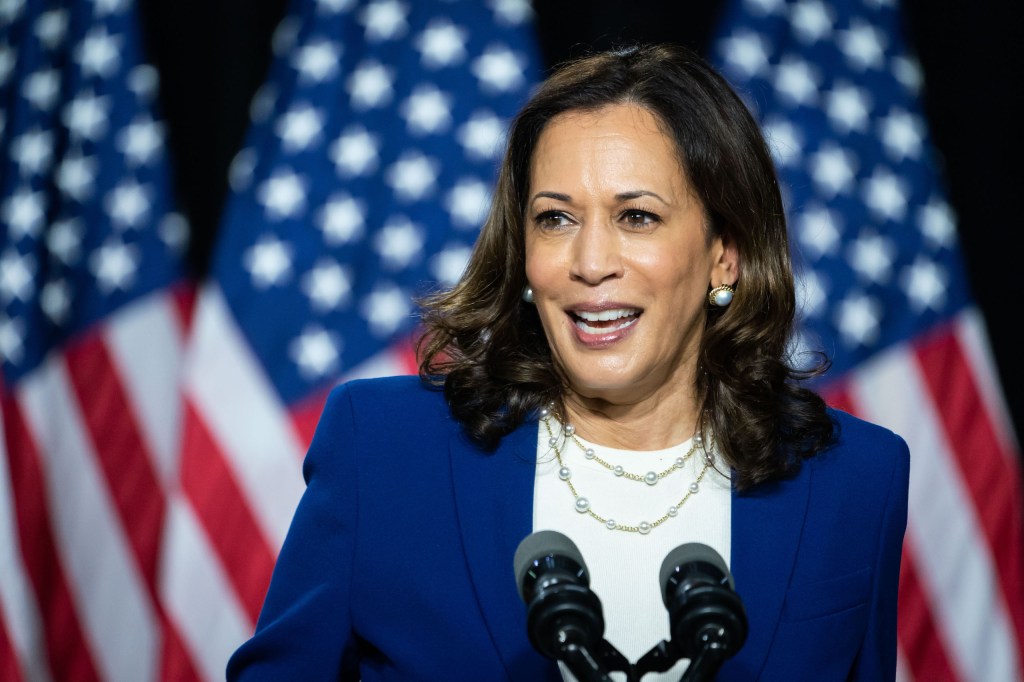
From her Victory Speech on Saturday, she spoke of her mother and the efforts of women of all races, “I am thinking about…the generations of women – Black women, Asian, White, Latina and Native American women – who throughout our nation’s history have paved way for this moment. Harris went ahead to thank the support of Black Women and saying that “too often overlooked, but so often prove that they are the backbone of our democracy.” Harris highlighted that, “While I may be the first woman in this office, I will not be the last,” and added “because every little girl watching tonight sees that this is a country of possibilities.” “And to the children of our country, regardless of your gender, our country has sent you a clear message: dream with ambition, lead with conviction and see yourself in a way that others might not see you, simply because they’ve never seen it before. And we will applaud you every step of the way,” she said. Harris has risen higher in the country’s leadership than any woman ever in her political career.
“Tonight, I reflect on their struggle, their determination and the strength of their vision to see what can be unburdened by what has been. And I stand on their shoulders,” Kamala said. “And what a testament it is to Joe’s character that he had the audacity to break one of the most substantial barriers that exist in our country and select a woman as his vice president.” Harris, a history-maker is a proof that you can become anything if you put your mind to it.
Stacey Abrams
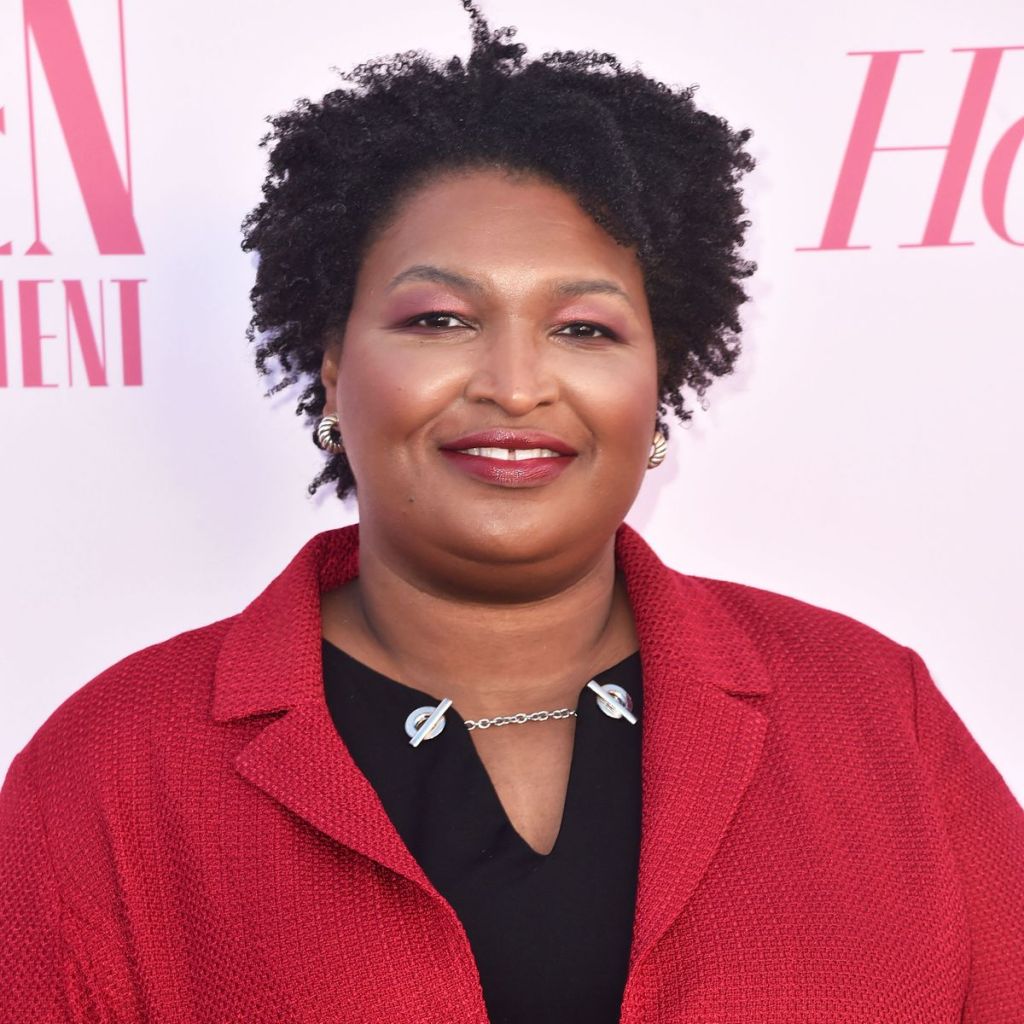
Stacey Abrams, the black woman who played a pivotal role in the Biden-Harris winning the US election. Abrams made history when she became the Democratic nominee for Governor of Georgia to win more votes than any other Democrat in the state’s history. She is one of the women of color who devoted years on the ground and formed a grassroot organization (Fair Fight) that expanded the electorate by empowering voters to ensure their voices are heard at the polls. She wrote a book about voter suppression and co-produced an Amazon Prime documentary, “All In: Fight for Democracy.”
Abrams has worked tirelessly to shift the attention and demographics in Georgia to the Democrats’ base. In 2019, Stacey and her former campaign manager wrote a 16-page document with data and trends on Democratic voters in the state – described as a blueprint for victory in 2020. Abrams was inspired by her loss in 2018 to push to register more voters in underrepresented communities. Georgia is now a battleground for US elections, thanks to Stacey Abrams for not giving up. In a tweet, Abrams said, “My heart is full……we are just getting started.”
LaTosha Brown
LaTosha Brown like Abrams worked on the ground in organizing and strategizing to fight against voters’ suppression. In 2016, Brown co-founded Black Voters Matter Fund alongside Cliff Albright which works to expand voting rights policies and increase voter registration and turnout at the polls. The desire to create change was stirred after an election loss in Alabama.“I think we had a message that we tailored to Black voters,” she says, “that instead of having a message that was rooted in fear, we had a message that said, ‘You have power, that you are powerful and that you have agency.’ ”
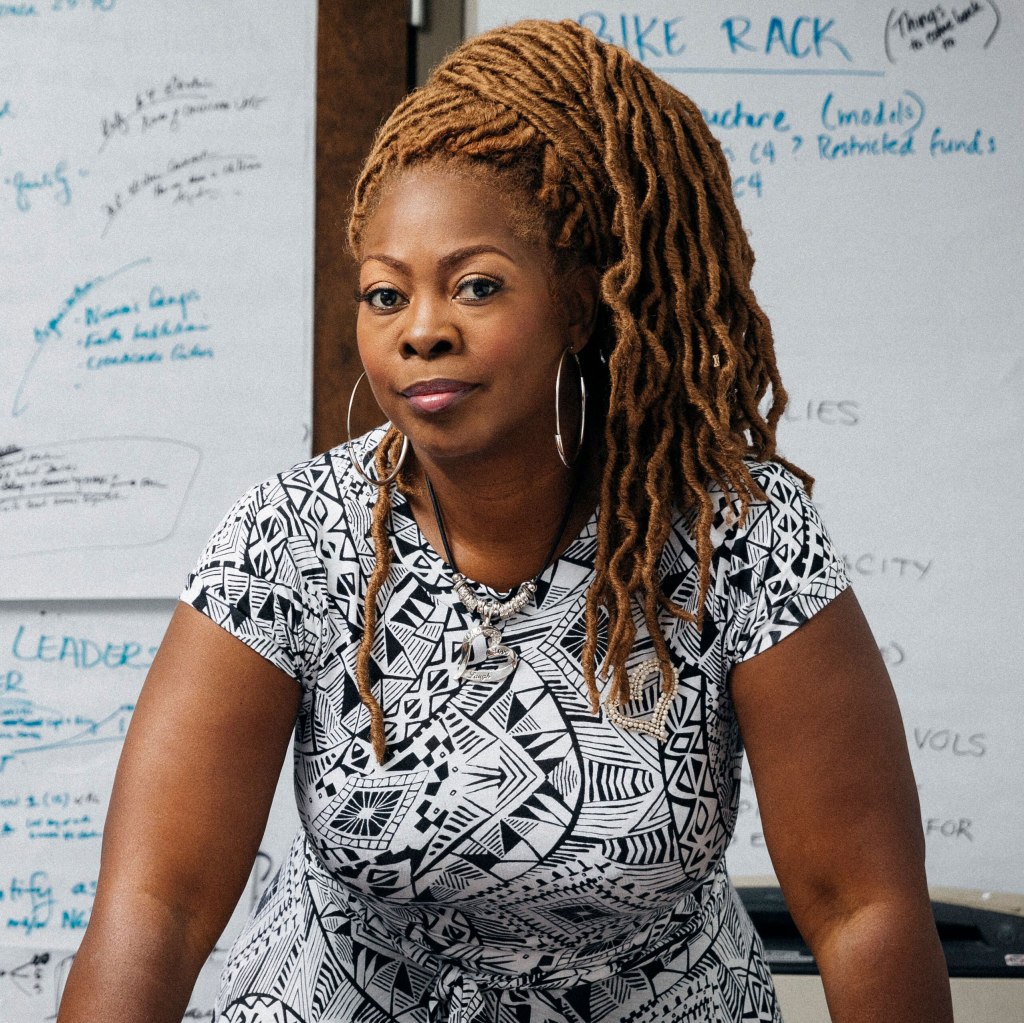
More Women of Color running for seats in Congress
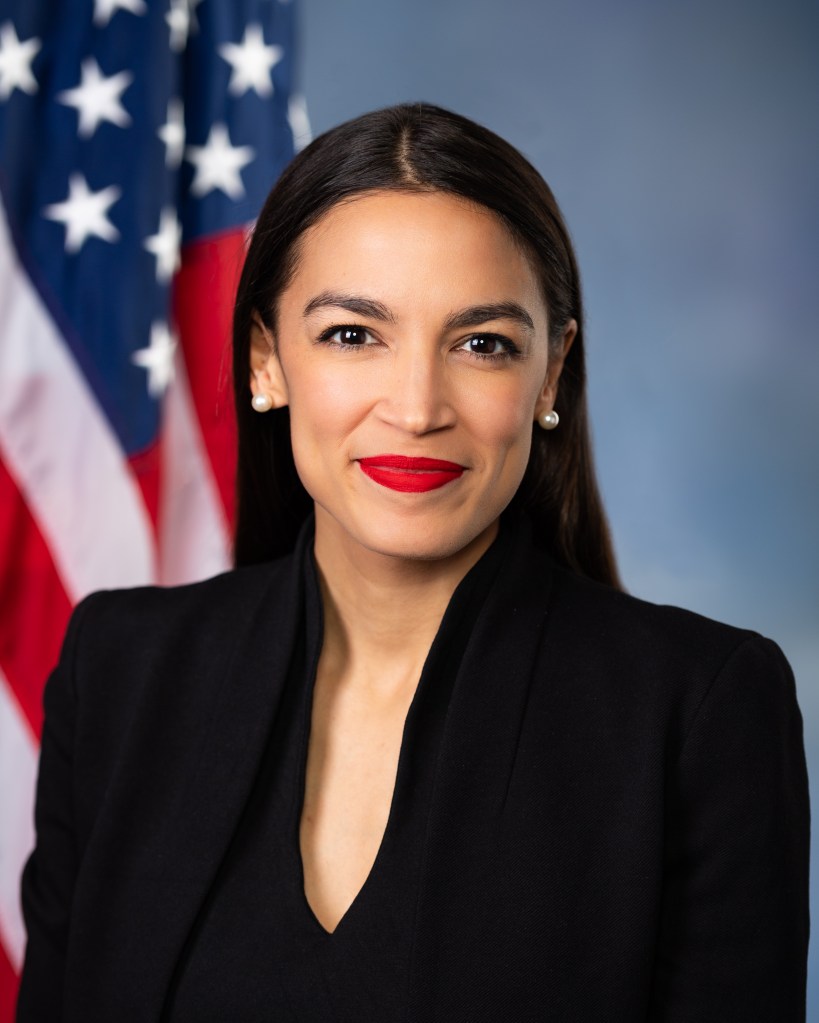
A record number of women are running for the seat in Congress. Out of 318 female candidates are running as Democratic or Republican for the 470 seats available in Congress, 117 of them are women of color. Building on the midterm elections in 2018, we saw high-profile women of color including Ilhan Omar in Minnesota, Alexandria Ocasio- Cortez in New York, Rashida Tlaib and Ayanna Pressley. In Missouri, Cori Bush was elected to the House of Representatives for the state’s first district. Bush tweeted, “Today, I became the first Black woman elected to represent Missouri in Congress,” and added “It’s 2020. I shouldn’t be the first, but I am honored to carry this responsibility.”
Candace Valenzuela would be the first Black Latina woman in Congress, if she triumphs in Texas in the state’s 24th congressional district. In Valenzuela’s interview with the Guardian, she stated; “As we see more women and women of color running for and winning seats in office, we’re seeing the focus of our elected officials shift towards working families and the challenges they face.” Only 48 of the 535 members of the House and Senate are women of color, according to the Center for American Women and Politics. There are 127 women in Congress overall. There has been an increase in the number of female Republican candidates from 2018, although majority of female candidates are Democrats. The Exit polls showed a higher voter turnout rates within the black community with about 91% of Black women voting for Biden.
It is important the voices of the intersectional communities are represented and the effort of resilient women of color be acknowledged in the corridors of powers where decisions are made. Black and brown communities often lack access to adequate health care, housing, education and protection, that need to be resolved. As more diverse women run for and enter political office, they can further change the status quo and fight for gender equality and better social impact.
We as a people have the power to build a better future for our generations to come.
 The Feminist Health CIC