
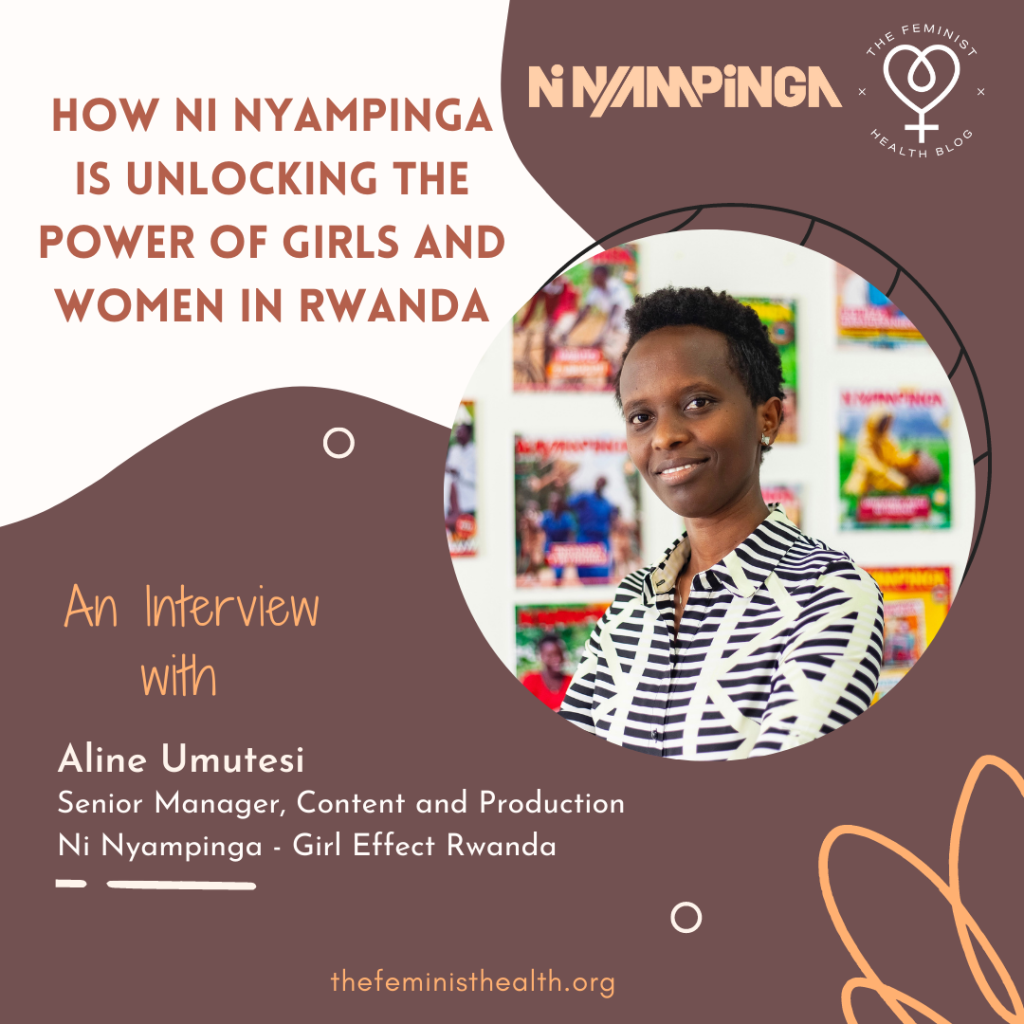
Adolescent girls and young women possess untapped potentials and hold the key to unlock the world’s problems and create positive change. Yet, these girls are often hard-to-reach, vulnerable, discriminated and not prioritized in our communities. The negative social, cultural and political practices limit adolescent girls to meet their needs and aspirations. By equipping girls and young women with the right skills and opportunities as well as life-saving information can keep them safe, get them out of poverty, make good choices and stimulate economic growth for themselves and communities. Through a collaborative and coordinated effort to invest in girls and young women, we can close the gender gap and encourage girls to take leadership roles.
To unleash the power and potential in girls and young women, Girl Effect is using an inclusive and creative media approach for girls, by girls in local communities, while providing them with relevant resources to improve their education and well-being. Their mission is to reduce gender inequality and empower women, and has reached millions of girls in developing countries and built better futures.
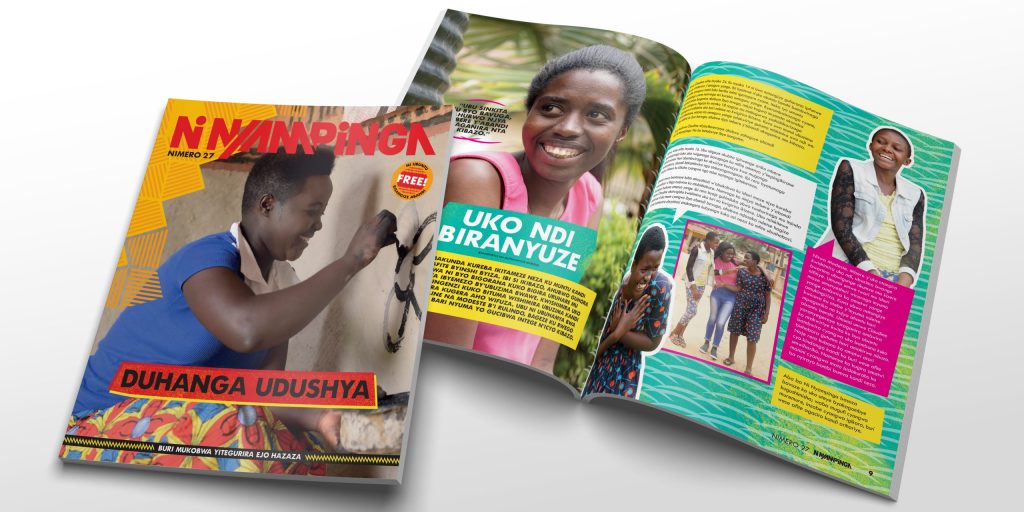
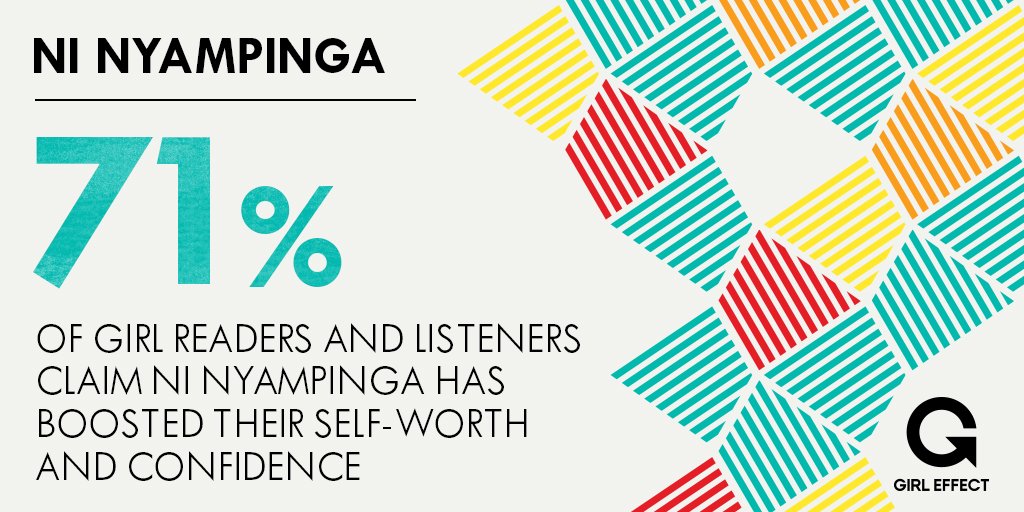
In Rwanda, they are creating this impact through their Ni Nyampinga programme. Ni Nyampinga consists of multiple platforms, from a magazine, radio drama and talk shows, student and community clubs, digital platforms such as a website, SMS channel and more. Operating since 2011, Ni Nyampinga has already reached hundreds of thousands of girls across the country.
We were privileged to talk to Ms. Aline Umutesi, Senior Manager for Content and Production for Ni Nyampinga. Aline is an inspirational woman making a great impact in the lives of girls and young women in Rwanda. Enjoy the read and be enlightened about their amazing work.
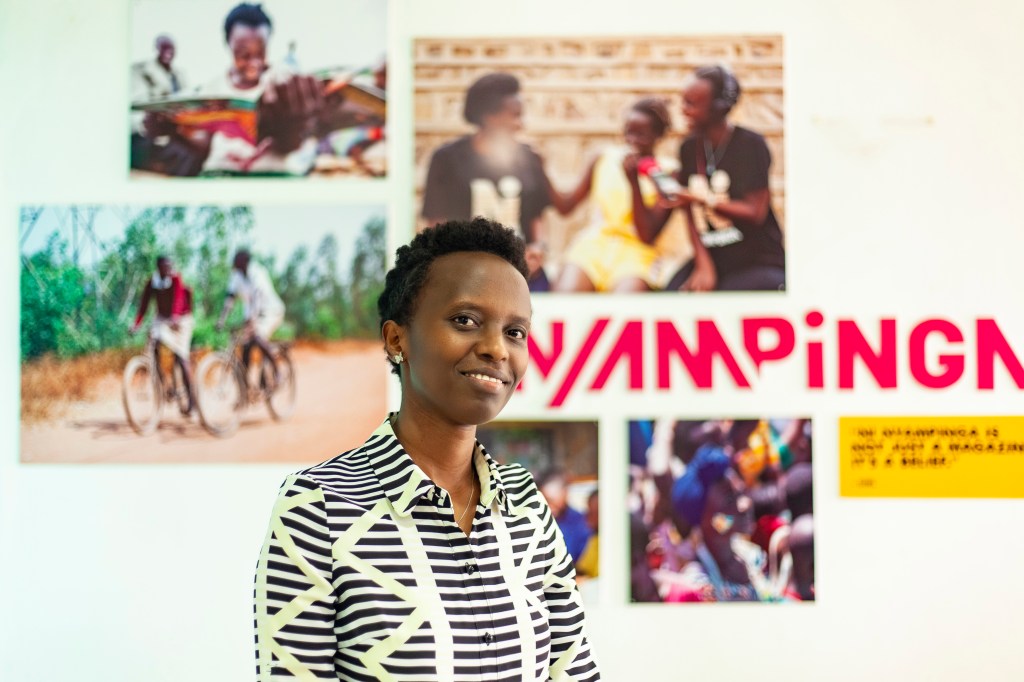
An Interview between The Feminist Health Blog and Aline Umutesi from Girl Effect Rwanda
Feminist Health Blog: Thanks so much for taking the time to do this interview. Can you tell us a little about Girl Effect and the part you play in the organization?
Aline: Girl Effect is an international organization reaching millions of girls in countries like Rwanda, India, Tanzania and Ethiopia. In Rwanda, we launched Ni Nyampinga in 2011, the first media youth brand in the country. The meaning behind the name Ni Nyampinga is “a beautiful girl inside and outside” and the name was co-created with girls. We disseminate content to help Rwandan adolescent girls make informed decisions for their future. We do this through a radio show, a radio drama, a magazine, digital platforms and a network of self-started Ni Nyampinga clubs.
My role at Ni Nyampinga is leading the content and production team from story ideation to getting the magazine printed and radio products aired. We have an in-house team of young women journalists, a team of editors and drama script writers who create and produce the content.
Feminist Health Blog: In what ways does Ni Nyampinga support young girls? Do girls or young women join in anytime they want or do you have registered members of the team or girls?
Aline: We use a youth model where the girl is at the center of everything we do. For instance, apart from engaging target women and girls through our products, we also work with many young women. We have an in-house team of young women journalists. We also work with young women researchers and engage 30 girl brand ambassadors based in the community (one in each district).
Also, these young women come from different parts of the country to help ensure that our work stays inclusive, as this is one of our core values.
Feminist Health Blog: What inspired you to work with Girl Effect and support girls and young women in the Rwandan community?
Aline: I do believe in the power of girls. You know that in societies where we are raised, we sometimes do face some gender norms that push girls back. We grow up being told that girls are expected to do this but not that. So, by joining Ni Nyampinga, I wish to contribute to the challenge of this old mindset that locks girls’ powers. Also, I studied communication and I believe in the power of communication as a social behavior change tool. My interests and passions are aligned with our mission, which is to unlock girls’ potentials and I believe that even though it is a process, we are going to get there. I am happy to be part of this committed, hardworking and intelligent team.
Feminist Health Blog: What are your major accomplishments at Ni Nyampinga?
Aline: I am proud of the work that we do – I would say that it is always a pleasure to be part of the production process of a magazine for instance, from the start up to the end. When I joined, we were on issue 15 and now we are on issue 33. When I listen to our weekly radio shows and I know the energy and the work that goes into it, I feel proud of the amazing teamwork, the creativity and the change that all this content is having on girls out there.
We receive nice feedback from the audience that encourages and motivates us to even do more. For example, some of the girls share how before listening to the Ni Nyampinga show, they did not have the courage to start an income-generating activity, but after they started a small projects like making a kitchen garden at their home, their family is now eating nutritious food, and some are even selling vegetables from their home garden to earn some money.
Feminist Health Blog: Describe the need that Ni Nyampinga fills in for girls and young women in Rwanda and around the world.
Aline: There are different organizations and policies that are on the ‘supply’ side meaning they are providing things like building schools. At Ni Nyampinga, we come in on the ‘demand’ side to create demand for such services. Feedback we receive from girls show that girls and young women need information to be able to make informed decisions and thrive. They need to be exposed to that content to be able to sustain other services that are being provided by those on the supply side.
So, I will say that at Ni Nyampinga, we create a space where girls feel comfortable talking about their worries and discussing their curiosities through self-started Ni Nyampinga clubs. It is also a space where they can ask for advice and we actually have a format on radio and magazine called, “The agony auntie” where girls send questions to our Agony Aunt and get answers. We receive many questions for her, which are mainly around sexual and reproductive health, friendship, love or other topics that girls do not feel comfortable discussing with their parents or any other people around her. They send the questions to Agony Aunt because they feel safe as they consider it as a trusted platform.
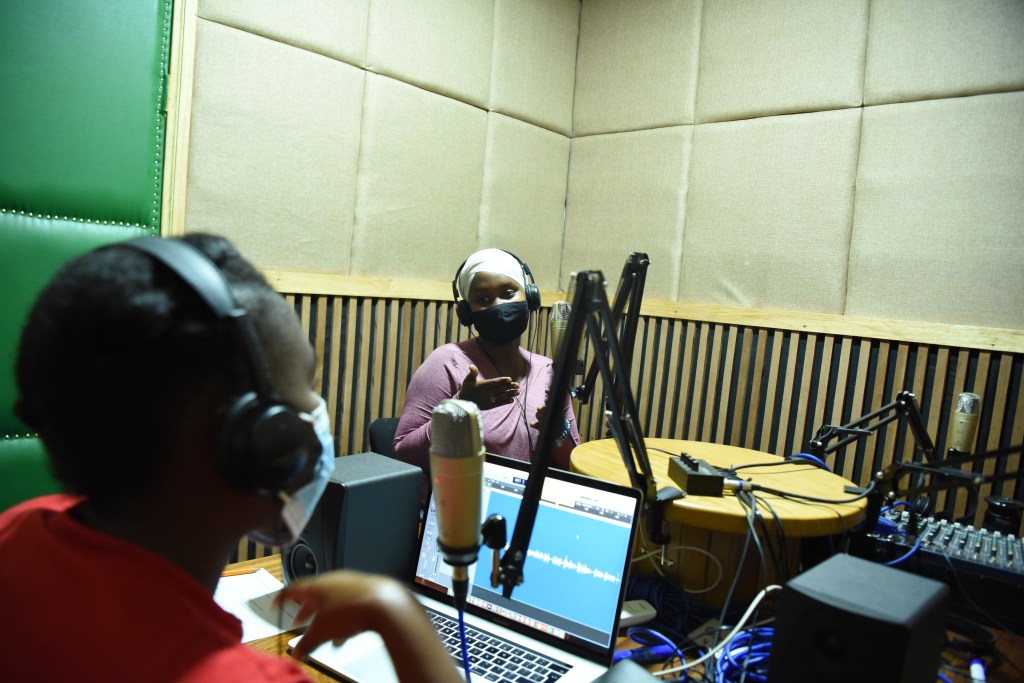
Also, the fact that Ni Nyampinga uses the language that girls and young women can easily understand makes our approach unique. This is thanks to our youth model ‘by girls for girls’ and also the fact that a girl is always involved in the whole process. For instance, when an adolescent girl tunes into the radio talk show, she will definitely know that we are speaking to her, not only because of the topics that we choose to discuss about, but also the voices of the presenters who are young women journalists, who are her age, who are experiencing the same situation. I will say at Ni Nyampinga, we create that room and space for girls to enjoy their girlhood.
Feminist Health Blog: What has been the challenge/barrier you encounter with your work at Ni Nyampinga?
Aline: I would say that in Rwanda, it’s not very difficult because we are a small country. But I would say that work still needs to be done to increase awareness and understanding of the power of communication and mass media in creating positive changes in people’s behaviour. So we continue to explain to people that we need to change the girls’ attitudes before any intervention is introduced, like encouraging her to stay in school or making a decision on her sexual and reproductive health. I would say that it is a journey, but we need to continue doing what we are doing and show people with these beliefs, the power of communication and the power of changing girl’s attitudes is necessary to ensure a better future.
Feminist Health Blog: Do you have the community or parents confronting you or not in agreement with what Ni Nyampinga is doing for the girls or children?
Aline: You know it won’t come directly in that way, but you may be in the community covering the stories and someone can say “you are just having an interview with this girl and so what? Why have you chosen to do that magazine? Instead of using that money to produce that magazine, why can’t you use it to pay for her school fees.” I think it is a matter of changing their attitude with regards to this, because they also need to understand that we need to equip the girl with information that will help to increase her knowledge so that she can be who she wants to be in future.
Feminist Health Blog: With the COVID-19 pandemic ongoing, tell us about how Ni Nyampinga continues to support communities in Rwanda?
Aline: We are privileged to have already established communication channels, especially the radio, which allowed us to be there timely. The radio played a good channel that helps us to stay in touch with our audience in this critical time. You know that many actors couldn’t do their community outreaches or face-to-face meetings due to the COVID-19 restrictions with the lockdown and everything going on. But I will say that at Ni Nyampinga, we are lucky because we have an established partnership with radio partners, among them national radio and we can easily continue disseminating even the most critical COVID -19 prevention information .
Also, our digital platforms including Facebook, Instagram and our website help us spread messages around COVID-19 prevention. When we could not go in districts and meet girls face to face, we introduced new formats like phone interviews to have the right people at the right time and stay connected to our audience.
We also had close collaboration with our Ministry of Health through Rwanda Biomedical Center (RBC) supporting us to have factual information, review our messages and we really appreciate the support they continue offering to ensure we deliver factual information.
Apart from the Ministry of Health, we also worked with Mastercard Foundation and Care to create content on COVID-19 prevention strategies to help young people cope well with school closure. We created content to help them know how they can invest in themselves, how they can use their time wisely, how and why they should take care of their mental health, etc. During COVID-19, we also know that we had a high rate of teenage pregnancy and we communicated to them the available support systems that are there to support in case of violence, in case of a need of information. We are also proud that we managed to deliver on our partnership with Gavi whereby we ran a campaign that was targeting teen mothers, teen fathers on routine immunization and nutrition and we produced and distributed content through printed and digital media.
Feminist Health Blog: There are so many emergencies and pressing issues facing girls and young women around the world, what do you think is the key strategy an NGO or individual can adopt to lead a successful advocacy campaign?
Aline: “Do not campaign for them, campaign with them”. As I told you, at Ni Nyampinga, the girl is at the center of everything we do. The key thing is to understand the situation that young women are in, and to base their work on the insights from girls before any eventual campaign is introduced. They should know the girl or young woman they are targeting. They should make sure that she is involved at each stage because I do believe that if you involve people you want to target, you are going to be successful. But if we are just there to think on their behalf, sometimes we are going in the wrong direction. Also, it is good to work with other organizations that are in the field to learn from them.
Feminist Health Blog: What advice do you have for girls and young women out there to help them thrive and not give up?
Aline: Be yourself, you can make it despite the hardships, challenges and those gender norms, you can still make it. This is not the end of the world and there is a great future ahead of you. But they also need to know that they are the key players: be brave, you are important, you’re unique, go for opportunities because this is the time, you are still young. You should seek all needed information from the trusted sources so you ensure you have everything needed to get there and good luck!
Feminist Health Blog: Is there anything else you would like to add?
Aline: At Ni Nyampinga, we wish to see girls who are really wise when it comes to making decisions, who are free to discuss their worries and who also come up with some solutions. From success stories or testimonials, we have heard from girls who are benefiting from our contents. They should therefore not take any information for granted. Information is power, try it out, you never know, it may be your time to shine.
Feminist Health Blog: As a female leader supporting other girls and women, if you could have one wish, what would that be?
Aline: My wish is to have a world where girls and women have room to express their ideas and potential, where girls and women have enough information to make wise decisions for their lives.
About Aline Umutesi
Aline has held roles that focus on radio, magazine, and digital content production. This includes different positions she held at Girl Effect Rwanda, an international NGO that launched Ni Nyampinga in 2011. Ni Nyampinga is Rwanda’s first youth brand that provides information on different topics through Ni Nyampinga magazine, radio talk shows, radio drama and digital platforms. Aline cares deeply about developing content that connects audiences through multimedia platforms. Aline is currently leading a team of Ni Nyampinga journalists and editors that creates and produces Ni Nyampinga radio talk show and radio drama that has 98% reach of the Rwandan population, the Ni Nyampinga magazine (more than 300,000 copies of the magazine are printed and distributed to adolescent girls every year) and Ni Nyampinga digital platforms (Facebook, Instagram and ninyampinga.com).
 The Feminist Health CIC