
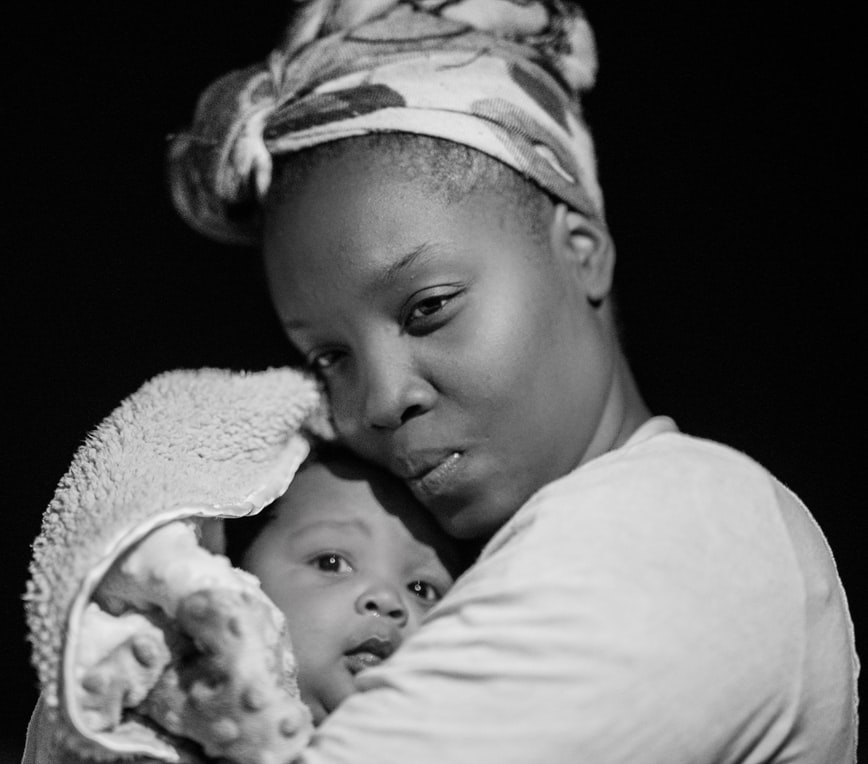
The joy of being a new mother can be a lovely moment and get overwhelming at the same time. Postpartum period begins immediately after childbirth. The terms postnatal, puerperium, puerperal period are commonly used as well. It can be difficult to adjust during the early stage if you don’t know what to expect. No one tells to the new mom about what childbirth can do to their body and what they need to do. The first six weeks of childbirth can be an important moment for both the mother and child, both physically and emotionally. This is the period where the mother’s body, including the hormones levels, uterus size etc. returns to a non-pregnant state. Most women find difficulty recovering from pregnancy and childbirth. New moms are often not aware of the possible complications or are too embarrassed to discuss their symptoms and there is no clue of the treatments or support that could help them. Your postpartum or postnatal care you receive should not end at six weeks but should continue for about 12 months after childbirth (also known as “the 4th trimester”) which is very critical especially for you the mother (The 4th Trimester Project). This can really help making the difference between knowing what to expect and being totally caught off guard.
Postpartum care is medical, social, economic and emotional care for women who just had a baby.
Be aware of serious postpartum complications
New moms are not told of the possible complications after childbirth or the risks of health conditions which may need medical attention. Learning signs and symptoms of health complications may help save your life. Getting treatment quickly may help prevent certain life-threatening conditions.
Some of the typical symptoms that women face in the first week after childbirth are: heavy bleeding, abdominal cramping, constipation, hemorrhoids, chills, night sweats, difficulty going to the bathroom, engorged breasts, back pain, headaches. And it goes on: pain in the perineum (the diamond-shaped sling of muscles in the pelvis), incision pain (if the woman has had a C-section), pain and difficulty walking (after an episiotomy or tear), depression, anxiety, and exhaustion.
In some instances, childbirth can cause more serious complications including hemorrhage, infection, incontinence, symphysis pubis dysfunction (pelvic girdle pain, which can be debilitating), and pelvic organ prolapse (when weak muscles allow organs to fall into the vagina). With conditions like pelvic girdle pain and prolapse, women often think what they’re experiencing is normal and don’t seek help until their condition worsens.
Note that, Postpartum complications can both be physical and emotional. Postpartum depression is one of them.

What is normal or not normal during your postpartum period?
Some discomforts after giving birth maybe normal. Some other experiences might be life-threatening and you should seek immediate medical attention. Knowing the warning signs of your health problems can save your life. If you’re worried about how, you feel or you have pain or discomforts that don’t feel right, call your health care provider. If you think your life is in danger, call emergency services or go to a hospital emergency room.
When you are experiencing these signs, you need medical care. The following signs are not normal and you need medical care:
- Severe pain in your lower belly (it may be endometritis)
- Fever with body temperature over 37.8 C or 100.4F
- Vaginal discharge with bad smell (it may be from too much of a certain bacterium in the vagina)
- Bleeding heavier than your normal period (Also known as postpartum hemorrhage)
- Pain, discharge or redness around a c-section incision/cut or perineal tear that get worse over time
- Pain or burning when you urinate (it could be urinary tract infection)
- Lumps in your breasts or red streaks on your breast that are new and painful.
- Dizziness, severe headache, trouble breathing, sudden pain in the upper belly or in the shoulder, sudden weight gain or swelling in some parts of your body like legs, face or hands (it may be postpartum preeclampsia)
- Chest pain, coughing, gasping for air or throwing up.
- Feeling sad or hopelessness or crying after childbirth due to anxiety and tiredness that last for a long time (it maybe postpartum depression)
Normal signs and symptoms to expect during your postpartum recovery
- Vagina discharge and bruises or swelling around that area
- Breast discomforts and may be experiencing swelling or tenderness or sore nipples. It is advised to feed your baby frequently
- Constipation
- Abdominal pain
- Baby blues. The pressure to be perfect and do everything to ensure your baby is happy and healthy can lead to confusion caused by hormonal changes.
- Weight gain
- Night sweats
Just pay attention to your body after childbirth and if you feel something isn’t right, contact your doctor or healthcare provider.
Helpful tips to speed up your postpartum healing process
Your postpartum healing process depends mainly on the healthcare and social support you receive. For a new mother, it can feel like a lot and stress although everyone’s experience is different. Here are some suggestions to help you in your postpartum recovery.
- If you had vaginal delivery, you may have bruises or swelling. Use an ice pack or frozen pads with witch hazel on your perineum. Wiping the area after peeing can be painful, use a spray bottle of warm water.
- Take pain medications at regular intervals to avoid the body pains
- Drink a lot of water or take laxatives
- Take your body temperatures regularly to keep you alert if you are coming down with any fever or infections
- Eat well. Foods with potassium will improve your energy levels
- Start exercising slowly and be gentle with yourself. Start by walking around neighbourhood.
- Start slowly with sexual activity. It can be painful at the initial stage so listen to your body.
- Take regular naps as it was stressful and overwhelming.
- Regular medical check-ups
- Keep your family and friends close for physical and mental support.
Here are few things you want to get before childbirth to speed the postpartum recovery process:
- Pain Killers (Acetaminophen)
- Maxi pads for postpartum bleeding
- Ice packs for perineal area
- Witch hazel pads to ease vaginal pain
- Sitz bath. A little tub designed to just sit and soak away postpartum pain.
- Get a comfy nursing bras and nursing pads to keep leaky nipples under wraps.
- Lanolin. This cream helps to prevent and treat cracked nipples.
- Cotton underpants. This is the time to get your “granny” underwear or hospital gauze gives you more comfort.
- Peri bottle. To rinse your perineal area before and after peeing
- Laxative. Constipation is a common complication during postpartum.
- Heating pads can ease pains and aches in your breasts.
- Postpartum belly belt/band. This is help shrink your belly back to its normal size before childbirth.
What to have in your Postpartum Care Kit?

Why postpartum care is important?
Research studies have consistently shown that anxiety during pregnancy, poor social support before and after childbirth, previous history of depression, stressful childcare, lack of medical care, low socio-economic status, single parenting, pregnancy and postpartum complications are risk factors for postpartum depression and other severe health conditions (WHO, 2018). Postpartum depression remains difficult to diagnose or identify among new mothers. Postpartum depression is a global health issue and affect so many women and families. The need for wide access to quality maternal care during pregnancy, in labor and after childbirth is critical for the mother, child and families to minimize or avoid morbidity and mortality. According to WHO statistics (2019), about 810 women die everyday from preventable causes related to pregnancy and childbirth of which 94% of all maternal deaths occur in developing countries. About one in seven women around the world can experience postpartum depression. A literature review revealed that over 60% of maternal deaths around the world occur during postpartum period. Some of consequences that could happen when there is lack of postpartum care include weight problems, social relationship problems, insomnia, depression, fatigue, indecisiveness, low self-esteem, alcohol and illicit drug use, agitation and even lead to suicide attempts.
Pregnancy and childbirth are very important and insightful experiences in woman life . This is why it is fundamental to have the right tools to face them in the best way. And one way is to be vocal of the postpartum problems and seek for help.
All mothers need postpartum care after giving birth!
 The Feminist Health CIC