
“Are We still on Pads or Tampons?”
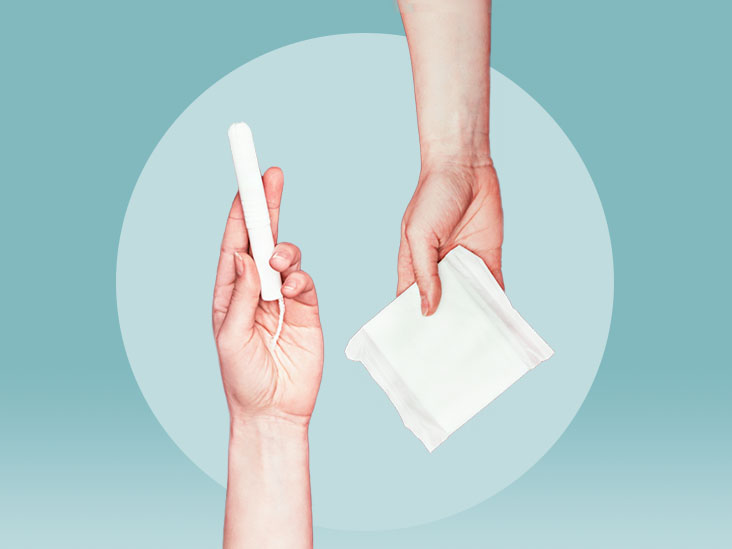
Do you know that Pads and Tampons are not the only menstruation products at the moment available? For decades pads and tampons have been the most two menstruation products used by women during their periods and the decision to use one or the other is influenced by many factors as:
- Type of life (sedentary or active).
- Sport activity: for example, those who often go for swimming, usually go for Tampon in their early age.
- Any medical or anatomical condition: even though the vagina is an elastic organ, some girls and women are more sensitive or could have some clinical condition such as vulvodynia, that makes it harder and painful to use tampons
- Allergies ( to any component materials of the products)
- Cultural and social factors : for example, the insertion of tampons are seen by some religious and social community as having sexual intercourse. For this reason parents (especially mothers) prefer to let their daughters to use pads instead of tampons.
- Cost sustainability.
- Possibility of reusability and being disposable.
- Ease of use time and efficiency.
And the list continues… There are definitely other reasons underneath whether to choose one or the other method. Over the years, companies (both old and new) have developed other type of products that are environmental friendly and tackles bio-chemical challenges. We have selected some of the products available at the moment that you can consider when making choices. You can also suggest more in the comments section!
Tampon and Pads: We know them very well, I guess. Pads followed closely by tampons are the most frequently used period product for maintaining menstrual hygiene. Both are made with a combination of absorbent fibers, either natural or synthetic, including cotton and rayon. Pads are adhesive and rest on the inside of your underwear to absorb your flow. No matter the volume of your flow, you should change pads at least every 3 to 4 hours to avoid odor from bacteria growth. Tampons can get a little trickier. First things first: insertion, which can be uncomfortable for some users. They are made from highly absorbent materials including rayon and cotton but unlike pads, tampons rest inside the vaginal canal, so there are no way out when it comes to the fluids they absorb. In addition to your menstrual flow, tampons absorb the vagina’s natural lubricant and bacteria. Introducing a foreign object into the vagina may disrupt its natural pH balance, causing irritation, discomfort or in very rare serious cases the Toxic Shock Syndrome, a life-threatening complications that results from an overgrowth of bacteria that naturally exists in many women’s vaginas (Staphylococcus). In any case, be on the lookout for symptoms including high fever, vomiting, diarrhea, severe aches, feeling weak or dizzy, and rashes.
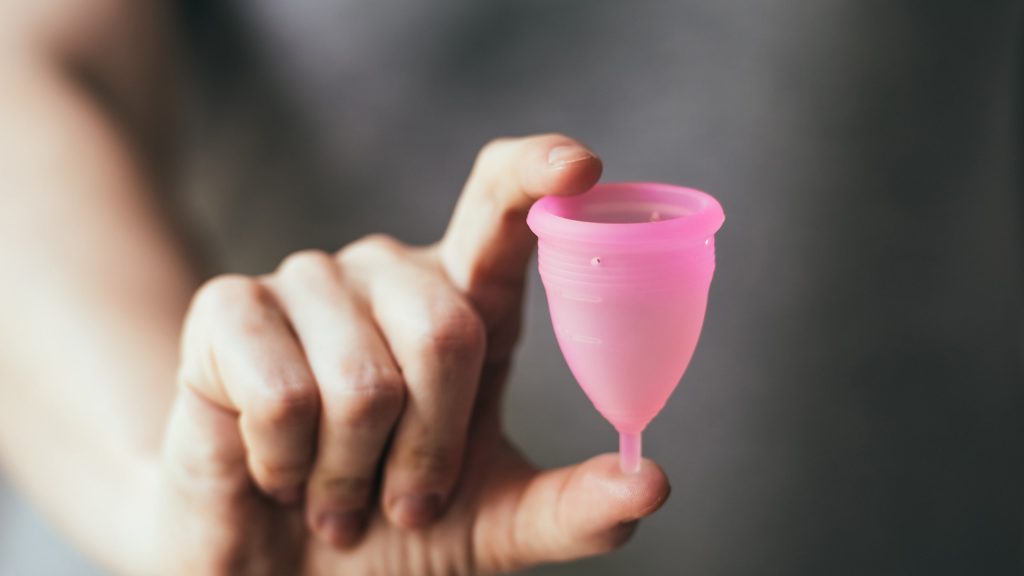
Menstrual cups: Although menstrual cups have been on the market since the 1960’s (in the form of an aluminum cup), currently they come in several types at the moment. Menstrual cups are made from medical-grade silicone, so they do not dry out the vagina’s natural moisture as a tampon would. Insertion is where many individuals tend to shy away from the cup. In fact, to insert the cup you need to fold it in half like a taco and pinch it between your fingers. Maintaining the pinch, insert the cup into your vagina, and release. The cup uses suction to create a seal between the rim and the vaginal canal. That is why some manufacturers recommend rotating the cup 360 degrees upon insertion to ensure the seal is intact. To remove the cup you need to break the seal by pinching it before removing. There are several benefits to using a menstrual cup:
- It is reusable: you just need to wash it with cold water and gentle soap and boil it once a month and put it on again.
- It is eco-friendly.
- It is cost-effective: menstrual cup ranges from $13 to $25 and can last for up to 10 years if properly taken care of.
- There is no external string or pad to get in your way.
Many women say that their cramps are more manageable when using a cup because the flexible material moves with uterine contractions instead of pushing back against them. You can leave a menstrual cup in for up to 12 hours.
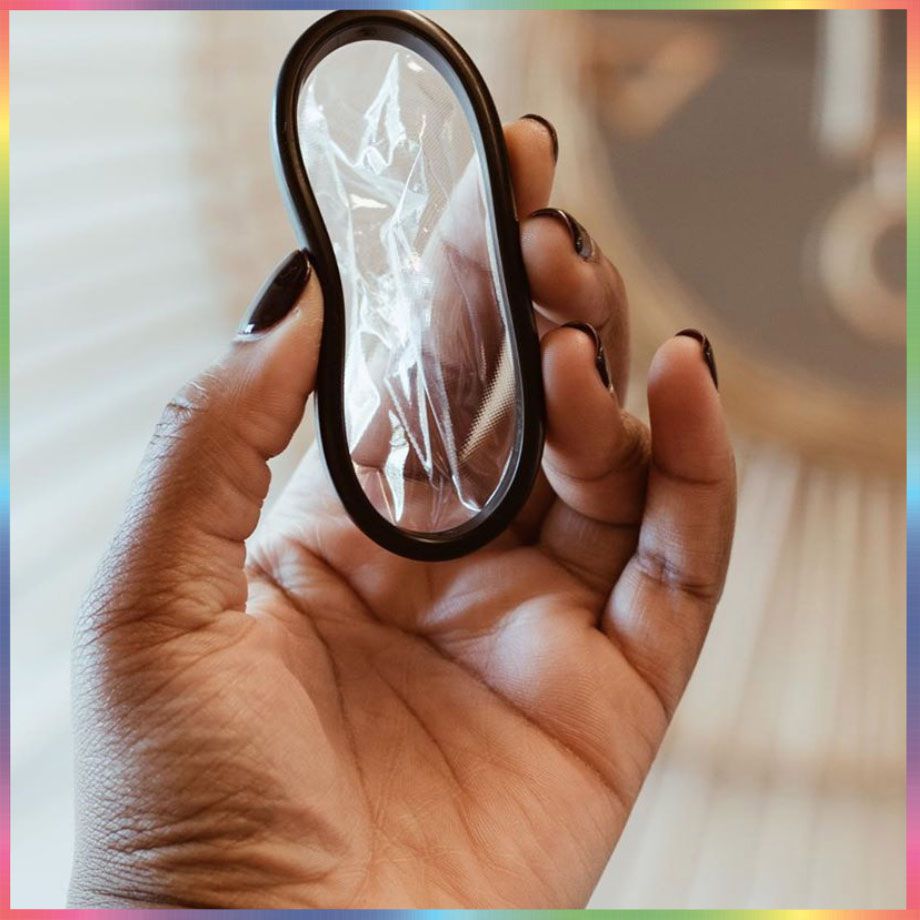
Menstrual Discs: Not very famous or popular, menstrual disc emerged on the scene only in 2015. The functionality is similar to the cup as collecting your flow, but the disc rest at the base of your cervix (fold half of the disc and push it all the way up the vaginal canal so it rests behind the pubic bone). One-time use and made of absorbing medical-grade polymer, the disc has few benefits as:
- It can be used during intercourse because being at the base of the cervix, so it doesn’t interfere.
- It collects the flow in a soft malleable bag, so there is no way to injure your partner.
- Not being inside the vagina, it is very comfortable, especially for those with active lifestyle.
On the other hand, disc are more expensive compared to other products: depending on the brand 8-12 disc costs between $10 to $20 and women use an average of 8 per cycle.
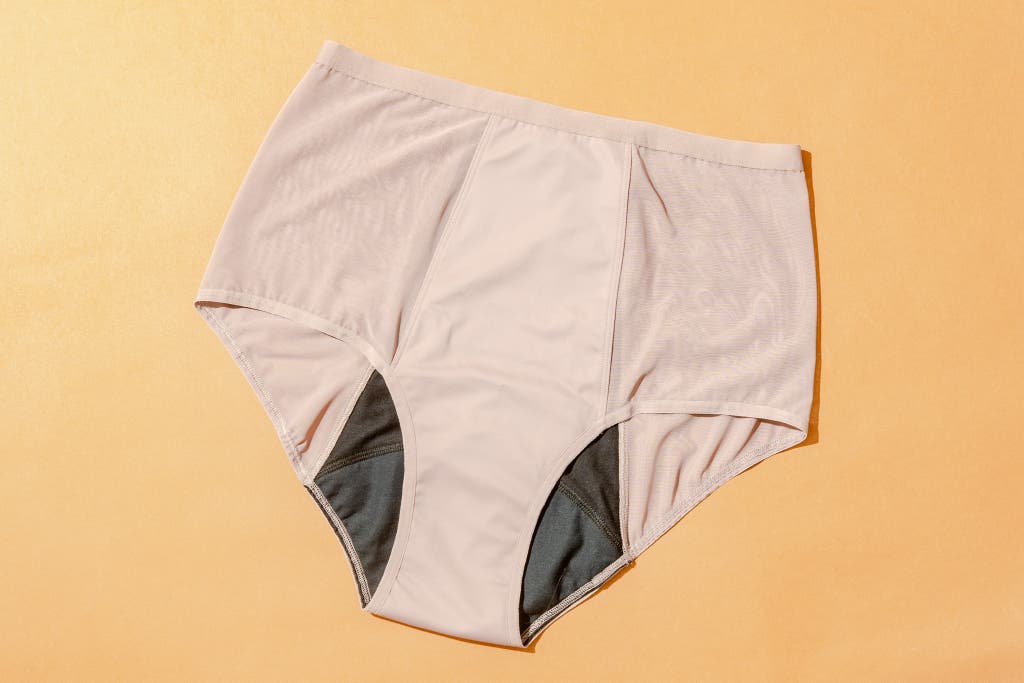
Period-Proof Underwear: You might think this could never work, but actually they are becoming very popular. Period proof underwear are made of multiple layers of microfiber polyester designed to wick moisture away from the skin and to keep moisture from leaking onto your clothes. The outer layer of period-proof underwear is made from nylon and lyrca and topped off with a liquid-repellant film to further prevent leakage. So from the material point of view, it seems kind of reliable. But obviously, wearing an underwear you will feel more the flow of your menstruation that are more avoided with tampon and pads and, make you think that could be a leakage. But if are they used properly, you can trust these products. Depending on the style, period-proof underwear ranges from $24 to $65 per pair. Different styles offer different amounts of coverage, so you may want to invest in multiple pairs. They will last for 2 years. Users with a heavy flow can also pair period-proof underwear with their preferred period product for additional protection from leaks and have peace of mind.
Reusable Pads: Have you ever thought that, before pads and tampons were invented, women used to simply bleed into their clothes or used homemade flannel cloths? Women often stuffed rags that were then washed and reused later (hence the phrase “being on the rag”). Nowadays you can find reusable pads, made with particular absorbing materials. Obviously, it is not very comfortable for those not working at home, because you should keep the used pads until you go back home. But if you work from home could be a convenient and affordable system.
Remember that finding the right period product for you is a process and what works for you now may not work for you in years later. You may find a winning combination of multiple products during each period to adjust for your activity level and flow. Whatever you decide, rest assured that with the proper care and usage, all period products are created equal for all women and are approved safe by doctors.
 The Feminist Health CIC