
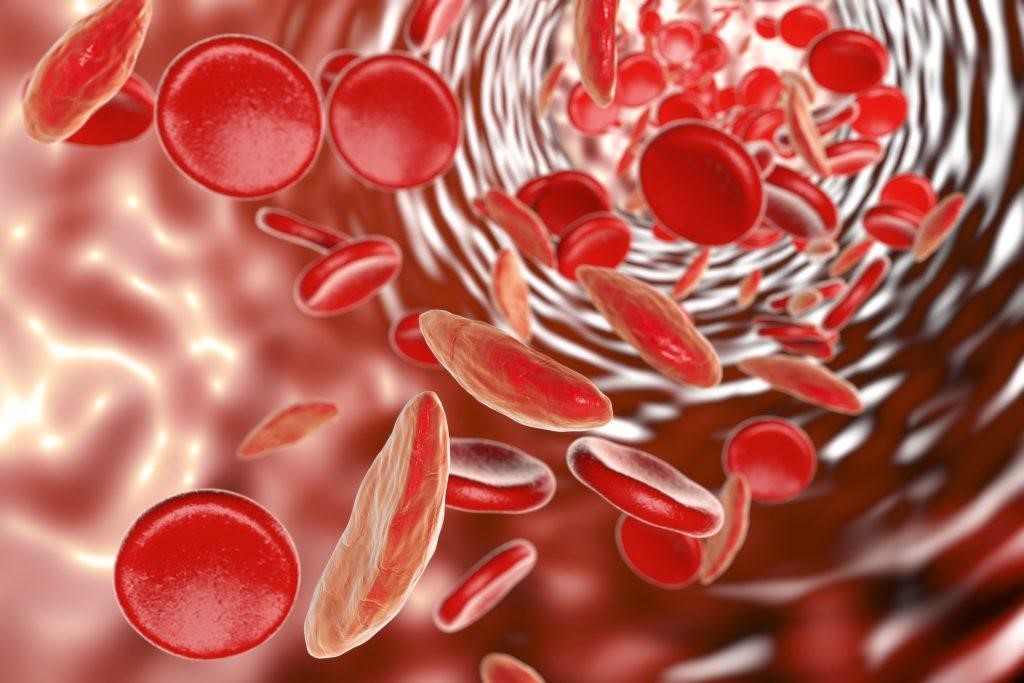
As menstruating beings, we lose 30ml to 80ml of blood every month.
This is a very low quantity of blood and normally it is not a big deal but, by menstruating we lose iron too.
Iron is a very important mineral in the hemoglobin, which is found in blood cells and carries oxygen and CO2 across the body, providing oxygenation of the whole body.
That’s why iron deficiency can be quite annoying, creating a state of low oxygenation that causes a decline in the quality of our lives and giving us a feeling of constant fatigue.
In fact, the most common iron deficiency symptoms are: fatigue, shortness of breath, headache, brittle hair and nails, but also dizziness and fainting.
Paleness may occur in people with lighter skin tones.
What can we do, as menstruating beings, to solve and improve the deficiency?
A balanced diet is fundamental.
Every human loses a small quantity of iron every day and it’s important to reintegrate it.
As we assume iron from food is important to keep in mind that iron assimilation changes between foods and it is not easily absorbed..
Iron in meat is more easily absorbed, but it can be found also in legumes, seeds and spinach.
But remember that those should be preferably eaten cooked and with some vitamin C that can be found in raw vegetables and in fruit.
If this is not sufficient, talk with your General Practitioner that will probably prescribe a complete blood count exam and will advise on possible medication to take. In most cases, the doctor will prescribe for you only a supplement.
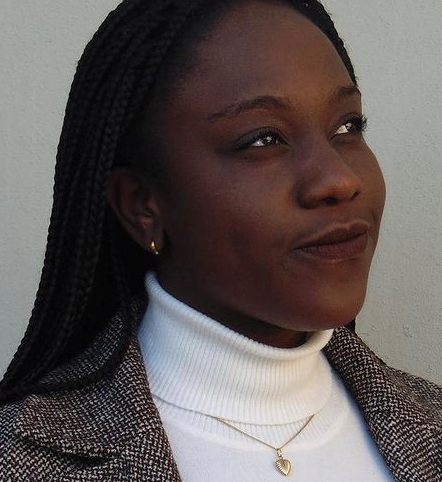
Rebecca Cromwell Commey
Rebecca is a writer for The Feminist Health Blog and a medical student.
She is a antiracist feminist and an activist. In her free time, She likes boxing.
She believes in the importance of empowering women, and that knowledge is a
strong weapon against oppression.
 The Feminist Health CIC