
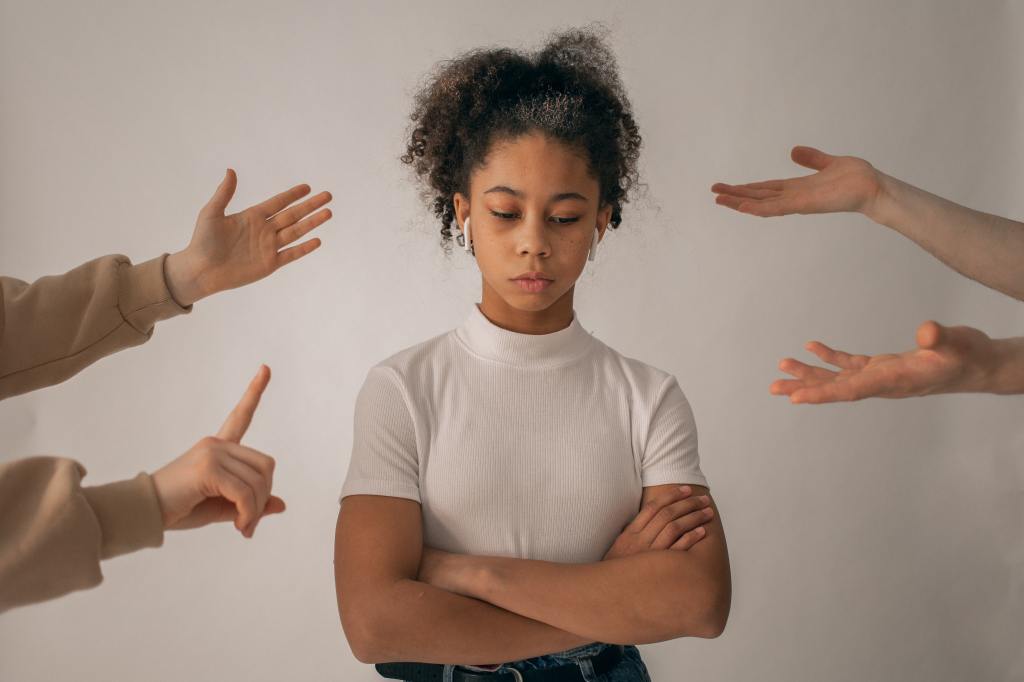
Women tend to live for others. They have been educated to meet unrealistic expectations that tradition has imposed on them from an early age. The message is simple: You have to be perfect.
Growing up we’re consistently taught to act a certain way because we are African women and there is a certain way we are expected to present ourselves. From having to cover up because that’s more respectful to others, to being taught cleanliness and neatness because no one wants to marry an untidy woman, to becoming a wizard with brooms and pots because that is a woman’s job. Apart from this, we’re expected to be working women as modern times dictate women are no longer just homemakers. I was genuinely convinced that’s what I’m supposed to aspire to be because these attributes are the traditional definition of an ‘African woman’. I didn’t want to be ostracised by my community for not following my tradition.
Only recently did it dawn on me that whenever I do what I’m supposed to do as a woman in an African household, I rarely find joy in it. Is this what is expected of me every day if I succumb to what’s deemed appropriate by my culture? Am I really willing to sacrifice my happiness and peace in this world for the sake of being considered a proper African woman? Of which, “who defines a proper woman in the African tradition? Is she defined by others or can she and does she define herself?”
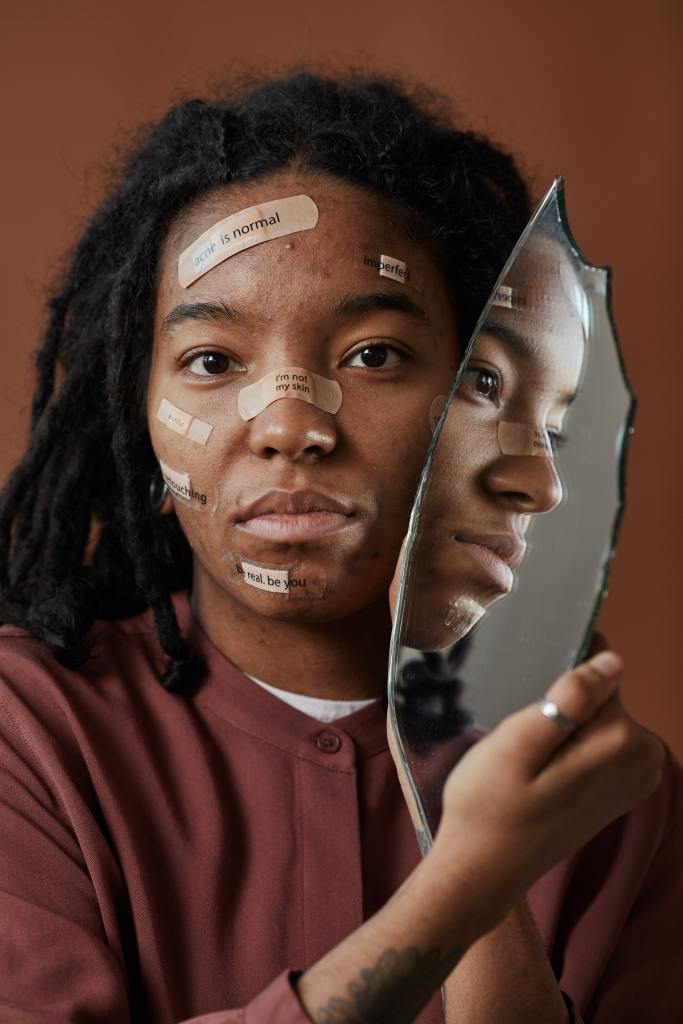

Wangari Maathai, a woman involved in Kenyan politics in the 1990s, is an excellent study of what it is to define oneself in spite of the backwards thinking of those around you. She wrote an autobiography where she outlines her experiences in politics as a woman. She was constantly looked down upon; if ever she opposed the opinions and regimes set by men, they would advise her to seek counsel from other women so she can learn to be a ‘proper woman’. For the sake of peace, she could have stepped down, kept quiet and let the men lead but she said “I would give every woman and girl a reason to be proud and never regret being educated, successful, and talented. What I have is something to celebrate and not to ridicule or dishonour”. What aligns with your heart’s desires may not please everyone, but as long as you are happy, then celebrate that thing that makes you unique. Don’t be, as Chimamanda Ngozi Adichie said in her Ted Talk ‘We should all be feminists’, “a woman that turns pretence into an artform”. We don’t have to fit into the image of what a true and culturally proper woman is.
Disputing culture is difficult, especially when it plays an immense role in who we are, our likes and dislikes, our interests, our goals, our ambitions and even our frame of thinking. We were raised according to cultural roles of men and women, it’s deeply embedded in us. However, you have to step back and look at how successful these traditions have really been. We’ve become more like puppets being controlled by ‘that’s our culture’, but are we happy? Are we free to make choices for our own sake and not out of respect, borderline fear, of our community?
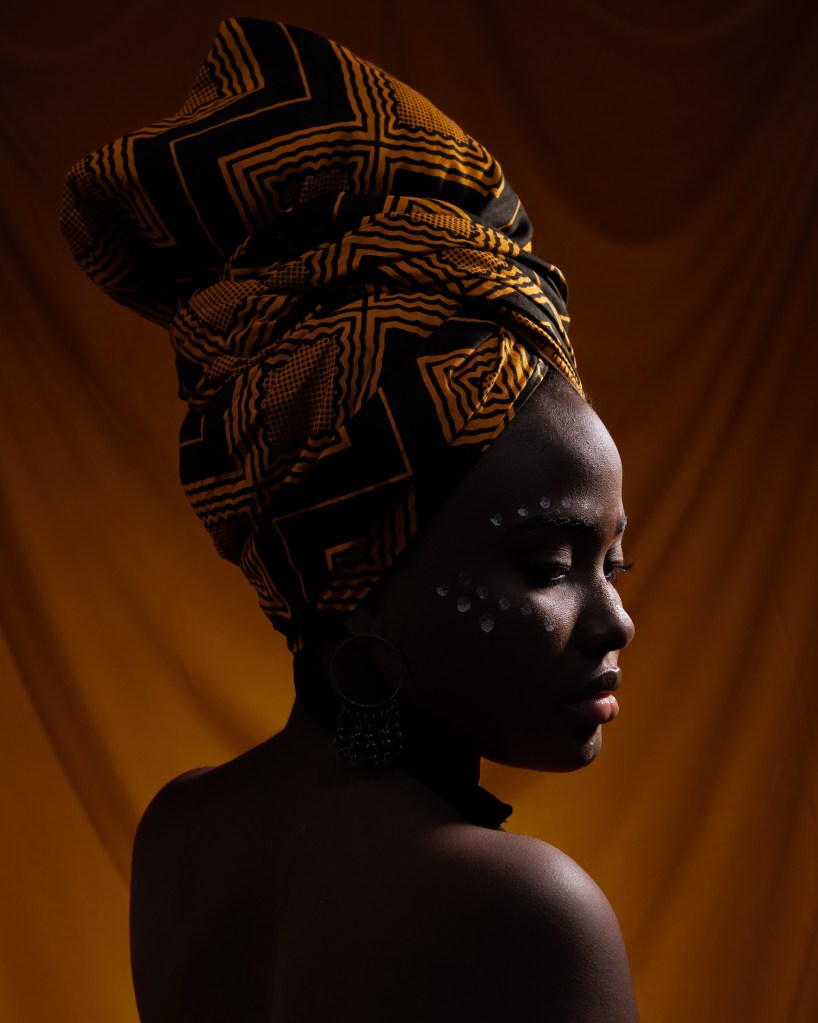
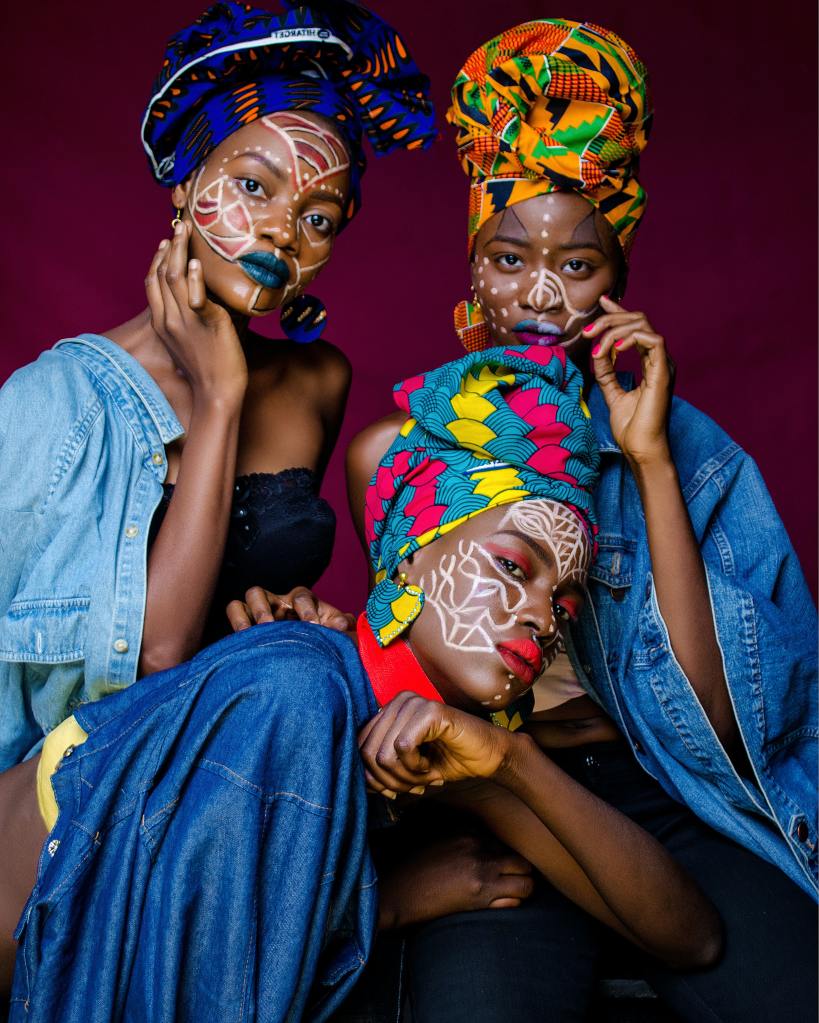
Chimamanda Adichie said “Culture does not make people. People make culture.” So at what point in the culturally induced downward spiral of our mental health will we modify and modernise our culture? When you step outside the box that culture traps you in, you can become free to discover the type of woman you want to be regardless of what others say. We can only be the best versions of ourselves when we are at peace with who we are and we’ll never be able to find peace if we’re too busy pretending to be the perfect African woman.
References:
Refreshtreatment.com – the social pressures for women
We should all be feminists | Chimamanda Ngozi Adichie | TEDxEuston
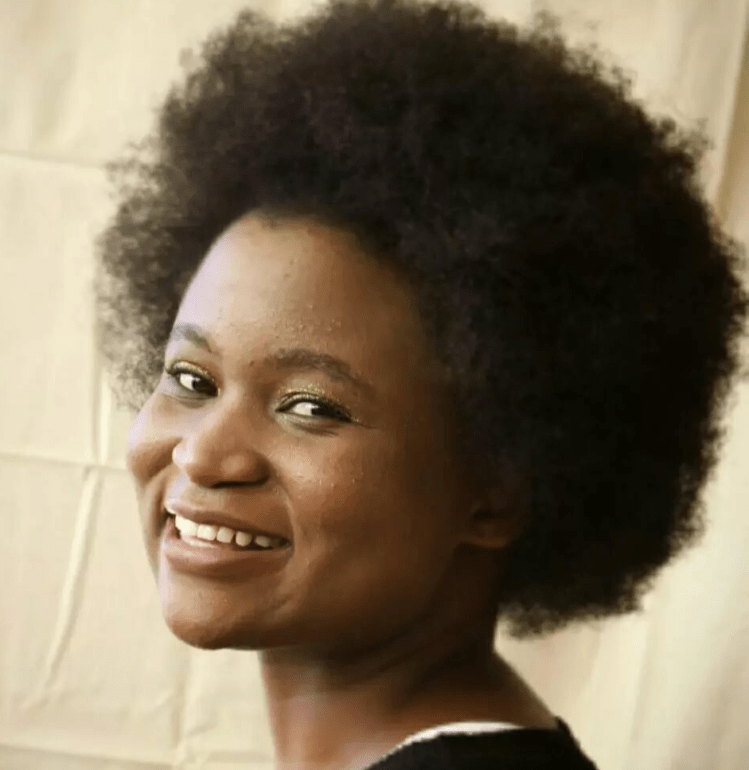
Kupakwashe Antonette Chimonyo
Kupakwashe is a writer for The Feminist Health Blog and hopes to support people, even if it’s only one person, lean more into who they are and to appreciate themselves. She believes self love is the root of peace and happiness.
 The Feminist Health CIC