
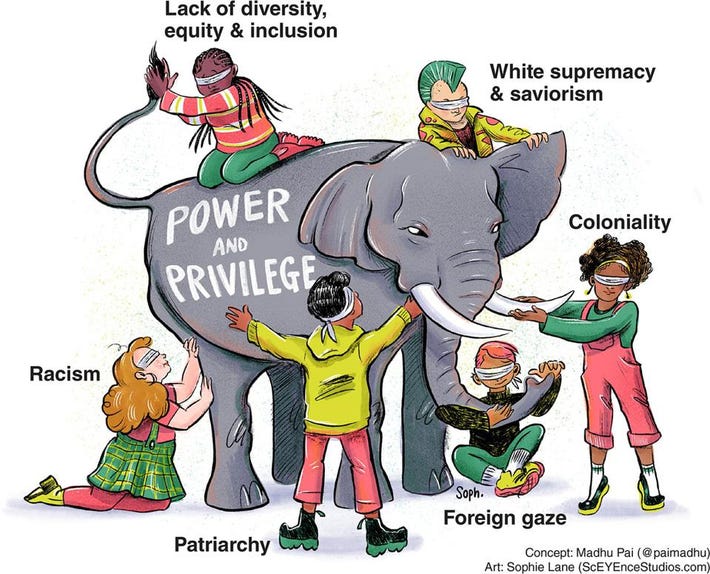
Even though health is based on a scientific nature that is applicable to everyone, it is definitely important to consider each person’s social and cultural background, family history and other experiences when we take care of a person’s health condition, medication and recovery.
Intersectionality theory, the study of how overlapping or intersecting social identities, particularly minority identities, relate to systems and structures of oppression, domination, or discrimination, has been increasingly assessed in the health sector, gaining attention and importance when talking about health inequalities. With it, a parallel conversation of decolonization of education and practice in western and developed countries has been raised by academics, activists and medical doctors, highlighting how the modern medical practice does not address many features of minority groups.
Several researchers and studies are undergoing and coming out with how important it is to consider all these factors and contextualise every person’s experience and value each voice and each body. We came across four books from 4 women, each a result of a collection of experiences highlighting the need for a more inclusive and diverse medical approach. All four books come from the United Kingdom context, but could definitely apply to other countries.
- MORE THAN TALK- Perspectives of Black and People of Colour (BPOC) working in Sexual and Reproductive Health (SHR) in the United Kingdom (UK)
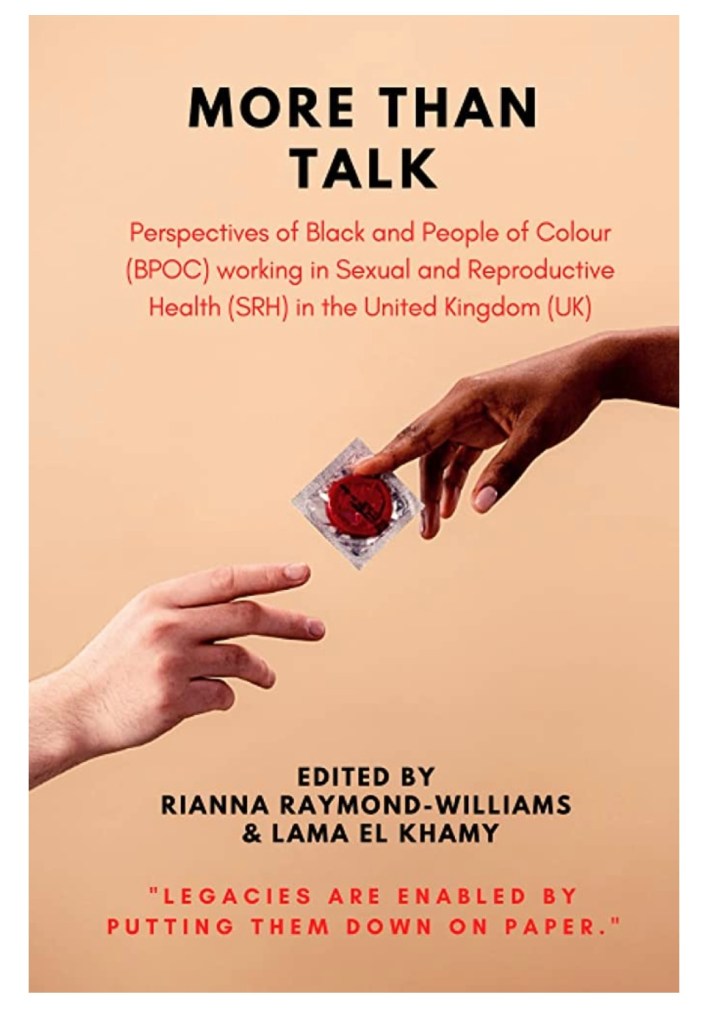
After a series of conversations and debates about the state of play for BPOC communities accessing sexual health and reproductive health care during the pandemic, More than Talk book emerged, as a will to act to create a space of conversation about health inequalities, especially for Black and People of Colour.
the chaos of the pandemic, we’ve found space, time and energy to write, share and learn with each other about what has brought us to work in this field. It is a really suggested book especially if you work in the Sexual and Reproductive sector.
- THE KNOWLEDGE- Your guide to female health from menstruation to the menopause
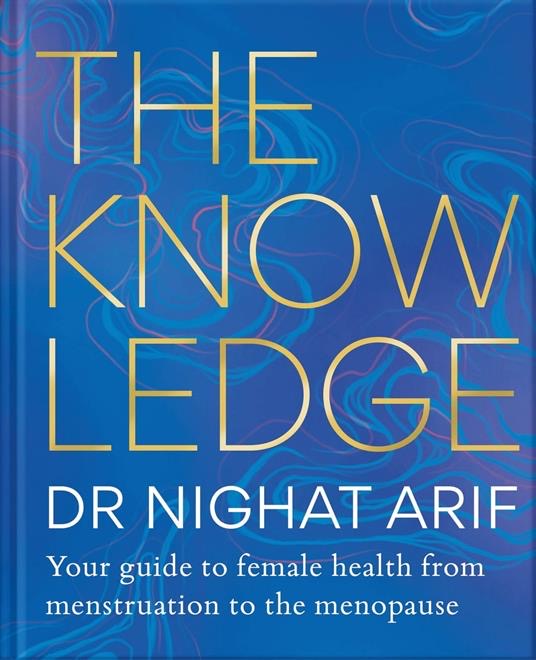
Starting from giving advices to family to be invited to BBC Breakfast, Dr Noghat Arif social media content are viral everywhere and The Knowledge is the result of putting all her medical knowledge together with an extensive explanation of the three key stages of a woman’s life: the puberty years, the fertility years and the peri/menopausal years experiences, including the perspectives of women of colour, people of all abilities and cultures, and the transgender community to ensure that all groups affected by female health concerns are a part of vital conversations. A guide for women’s health lives that you would like to keep on your shelf.
- DIVIDED -Racism, medicine and why we need to decolonise healthcare
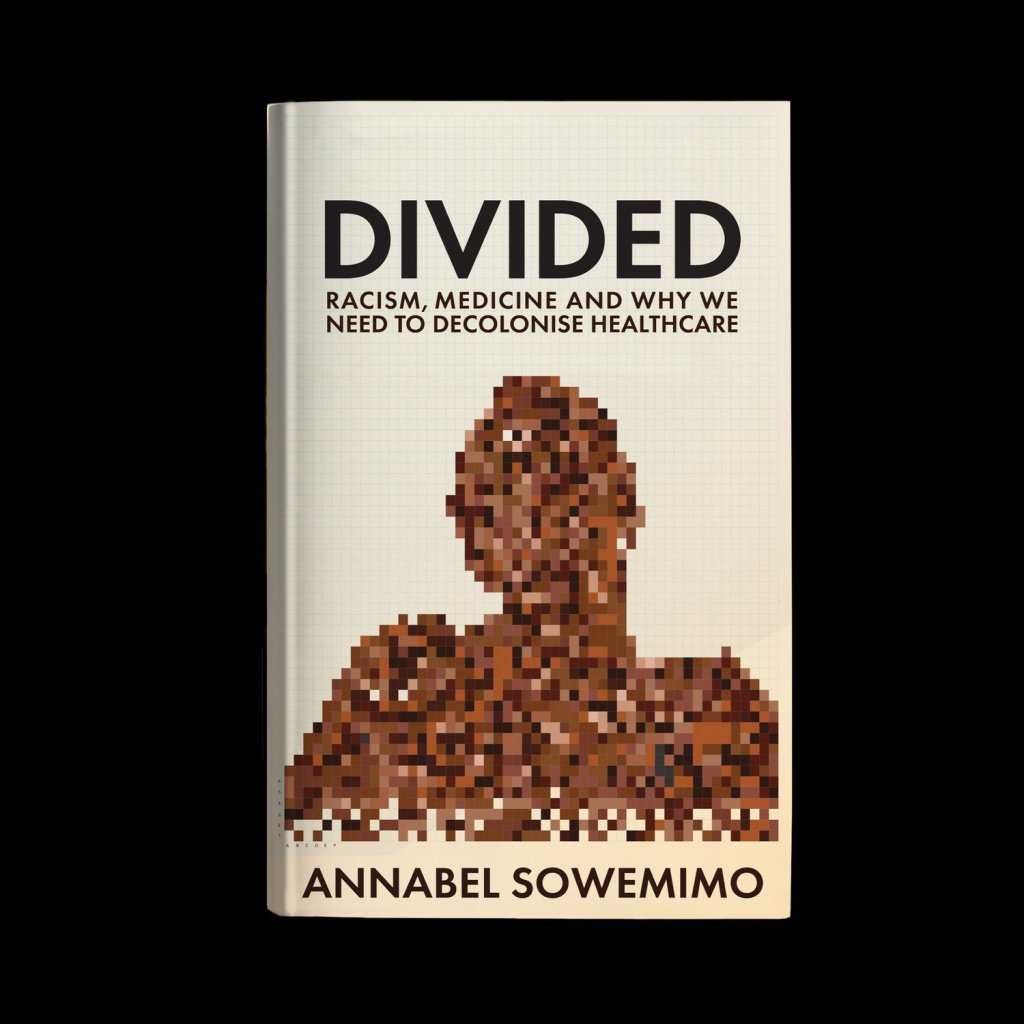
Dr Annabel Sowemimo is a medical doctor registrar in Sexual and Reproductive Health and Divide is the product of the continuing racism discrimination and many more inequalities affecting the healthcare system and that during the pandemic worsening minorities condition. Divided wants to be a starting point of reflection what we consider the modern and better health care and really looking at its problems and still colonised issues that needed to be addressed. Definitely a good read for every one that want to start a career in healthcare
- REBEL BODIES- A guide to the gender health gap revolution
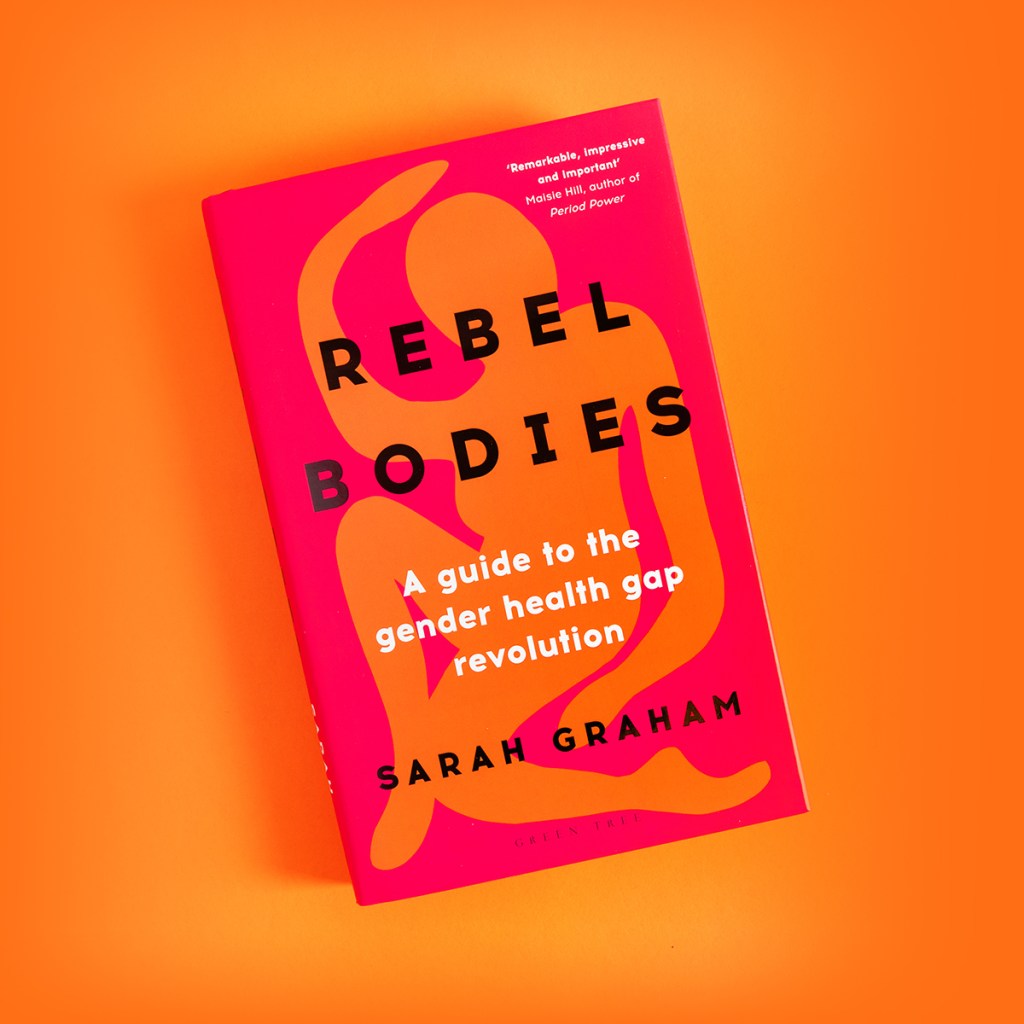
Journalist Sarah Graham Rebel Bodies explores the systemic and deep-rooted sexism within medicine, collecting voices and stories of women and their medical experiences. As women experience gaslighting and misdiagnosis, this book investigates what it will take to bridge the gender health gap. If you think your condition or pain has been underestimated, reading this book you will find you are not alone and there is the need to speak out loud!
 The Feminist Health CIC