
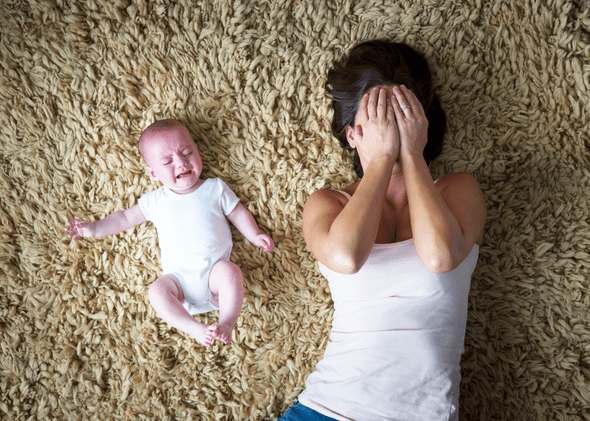
Postpartum depression has been a silent topic and often goes unnoticed or takes longer to get diagnosed. It is normal to feel “a bit down” after childbirth and these feelings can take some days to a few weeks, but for others, these feelings can go on for a longer period and get worse which may be a sign of postpartum depression. Many new parents develop postpartum depression and other perinatal mood disorders. 1 in 7 pregnant and new mothers may experience depression or anxiety. 1 in 10 new fathers may experience depression or anxiety.
Bringing a new life into the world comes with a variety of powerful emotions that can cause a feeling of frustration and joy. Parents get stressed to get everything perfect and fear whether they are equipped enough to take care of this small human. Most new mothers experience postpartum “baby blues” after childbirth which is different from postpartum depression. Baby blues are commonly a mix of emotions including mood swings, crying spells, anxiety and difficulty sleeping that happens when your hormones fall within a few days (first 2 days to about 10 days) after birth.
Postpartum or postnatal depression is a depressive illness that is persistent and can get overwhelming making it difficult to care for yourself and the baby. Sometimes depression starts during pregnancy (also known as perinatal depression) and continues after childbirth. Some parents choose to ignore the signs due to worry of what people would say about them. Most women struggle alone for a long time and only seek help when it gets worse.
How it happens and recognize the signs
After childbirth, a dramatic drop in the hormones estrogen and progesterone in your body may contribute to postpartum depression. Other hormones produced by your thyroid gland also may drop sharply – which can leave you feeling tired, sluggish and depressed.
Studies show that having a family history of postpartum depression — especially if it was major — increases the risk of experiencing postpartum depression.
Anxiety around caring and responsibilities involved for a newborn can be overwhelming including being sleep deprived can lead to postpartum depression.
Signs and symptoms
- A persistent low mood with sadness, crying and trouble concentrating
- Struggling every day with emotions and activities
- Anger and being distant from everyone
- Severe anxiety from parenting worries
What does it feel like to have postpartum depression?
The actual experience of depression after childbirth is wide-ranging and can include everything from obsessive anxiety to a sense of disconnect to unremitting rage. Many women describe an ominous feeling that things are not right.
Adele opens up about her experience after the birth of her child with Vanity Fair;
“I was obsessed with my child. I felt very inadequate; I felt like I’d made the worst decision of my life, is that you don’t want to be with your child, you’re worried you might hurt your child; you’re worried you weren’t doing a good job.”
She added that “I didn’t talk to anyone about it. I was very reluctant. Four of my friends felt the same way I did, and everyone was too embarrassed to talk about it. They thought everyone would think they were a bad mom, and it’s not the case. It makes you a better mom if you give yourself a better time.”
Freida Pinto spoke to Vogue about her perspective on battling postnatal depression,
“I think it’s almost easier to talk about the physical level, but on a mental level and an emotional level, you can’t necessarily always explain anxiety and depression in words, so it starts making that illness invisible, and because it’s invisible, it starts getting ignored.
I really struggled with focus and concentration and lack of sleep. When it started getting really bad, I actively started seeking help – postpartum is not a short period — it could happen again.”
How to get help
Depression and anxiety are complications of pregnancy and childbirth. There’s a growing awareness about the need to address perinatal and postnatal depression.
If you have a history of depression, you will need mental health help and support during pregnancy and after childbirth. Your doctor needs to know when you are planning to get pregnant or find out you are pregnant.
First Rule: Ask for help and let others know how they can help.
Here are some tips to help you cope with postpartum depression;
- Seek counseling
- Don’t isolate yourself. Keep in touch with family and friends.
- Be realistic with expectations after childbirth
- Know that there will be some good and bad days ahead
- Exercise when you can – within your capacity and nothing rigorous
- Maintain a healthy diet
- Create time for yourself – rest times and ‘me times” to do something you enjoy like going to the movies or taking a walk.
- Create/ join a support group
- Foster the relationship with your partner — make time for each other.
It is essential to find out what works for you and stick to it. What works for someone may not work for you. Remember, it is a journey and takes patience and time. Don’t be difficult on yourself and be confident.
 The Feminist Health CIC