
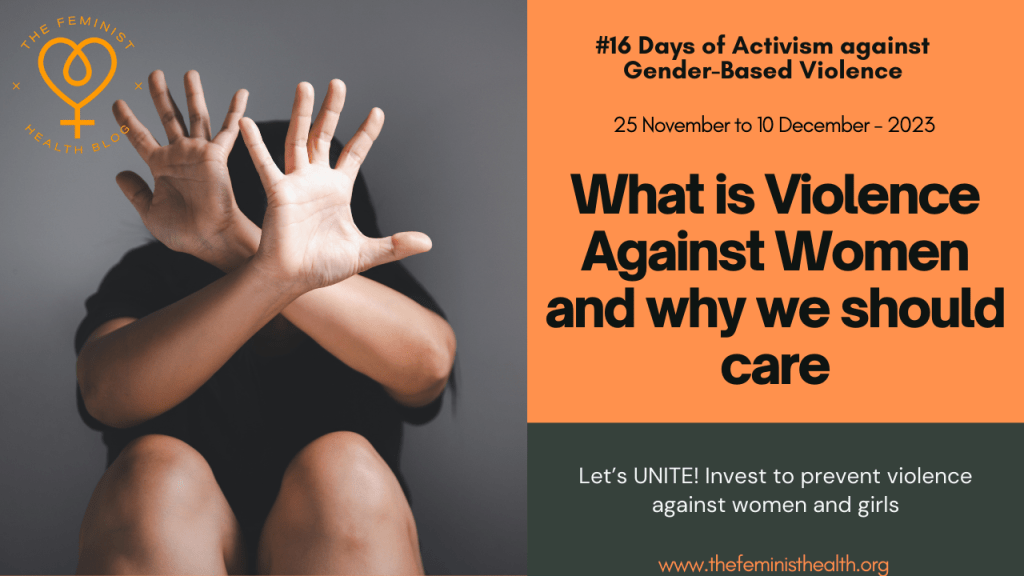
Violence against women is a pervasive and insidious issue that continues to plague societies around the world. Despite significant progress in the realm of gender equality, countless women still experience physical, sexual, and psychological violence.
As the 16 Days of Activism against Gender-based Violence kicked off on 25th November 2023 (the International Day for the Elimination of Violence Against Women) and run until 10th December 2023 (Human Rights Day), it reminds us of the alarming prevalence of abuse against women happening globally. The campaign by the UN’s UNiTE by 2030 focuses on the theme for 2023, “Invest to Prevent Violence Against Women & Girls.” It calls for global action, including governments, international organisations, communities, and individuals worldwide, to increase awareness, support efforts, educate, and share innovations.
No woman should ever experience abuse in any form. To help end and prevent gender-based violence, we first need to understand the various forms of violence occurring in public and private spaces and emphasize the importance of breaking the silence surrounding the epidemic.
Violence against women refers to any act or pattern of acts that result in physical, sexual, or psychological harm or suffering to women and a violation of women’s human rights. Violence against women knows no geographical or cultural boundaries. It affects women of all ages, races, and socioeconomic backgrounds. According to global statistics, approximately 1 in 3 women has experienced physical or sexual violence, often perpetrated by an intimate partner.
Some of the common violent acts happening to women around the world include:
Intimate Partner Violence (IPV), also known as domestic violence or relationship abuse, refers to any form of behavior within an intimate relationship that causes physical, psychological, or sexual harm to one or both partners. This is the most common violence happening to women and girls in which 95% of victims keep silent and don’t report.
Domestic violence is a pattern of abusive behaviors within a relationship or household that is used by one partner or relative to gain and maintain power and control over the other. This form of violence can occur in various types of relationships, including marital, dating, familial, or cohabitating relationships. Domestic violence is not limited to physical abuse; it encompasses a range of behaviors that may have severe emotional, psychological, sexual, or economic implications for the victim.
Child, early, and forced marriage:
Child Marriage: It involves the marriage of individuals before the age of 18. Child brides may face numerous challenges, including health risks, limited educational opportunities, and increased vulnerability to domestic violence.
Early Marriage refers to unions where one or both partners are married between the ages of 18 and 21. Early marriage can still result in negative consequences, such as limited personal development, educational restrictions, and increased health risks.
Forced Marriage occurs when one or both parties enter a marriage without full and free consent. Victims of forced marriage may experience physical, emotional, and psychological harm. The coercion involved can range from emotional pressure to threats and violence.
Female Genital Mutilation (FGM), also known as female genital cutting or female circumcision, refers to the practice of altering or injuring the female genitalia for non-medical reasons. FGM is often deeply rooted in cultural traditions and social norms, with communities practicing it for reasons such as preserving purity, ensuring marriageability, or conforming to social expectations. FGM can result in immediate and long-term health complications, including severe pain, infection, difficulty in childbirth, psychological trauma, and complications related to menstruation and sexual function. “At least 200 million women and girls aged 15–49 have undergone female genital mutilation in 31 countries where the practice is concentrated.” ~ UN Women
Violence against women can happen in the following ways:
Physical Violence: This involves the use of force, resulting in bodily harm or injury to a woman. This can include hitting, slapping, punching, kicking, or other forms of physical aggression. The goal is often to establish dominance and control.
Sexual Violence: This includes any non-consensual sexual act or behavior, such as rape, sexual assault, harassment, or coercion. Sexual abuse in the context of intimate partner violence includes any non-consensual sexual activity or coercion. This can range from forced sexual acts to the imposition of unwanted sexual practices within the relationship.
Emotional/Psychological Violence: This type of violence aims to undermine a woman’s mental health and self-worth and may involve verbal abuse, criticism, humiliation, intimidation, threats, or manipulation. Emotional abuse aims to exert control through psychological means.
Economic Violence: controlling a woman’s financial resources, restricting her access to economic opportunities, or using economic dependence to exert power, and control and to limit their independence. This may include restricting access to money, preventing employment or education, and using financial dependence as a tool for manipulation.
Reproductive Coercion: Pressuring a woman to make reproductive choices against her will, such as through forced sterilization, contraception, or abortion.
Technological Abuse or Cyber Violence: Harassment, stalking, or threats perpetrated through online platforms or technology, targeting women. With the rise of technology, domestic violence can extend to the misuse of digital tools to control or harass the victim. This may include cyberstalking, monitoring online activities, or using technology to spread false information.
Cultural and Honor-based Violence: The killing of a woman by a family member due to the perception that she has brought shame or dishonour to the family. In some cases, domestic violence may be influenced by cultural or honour-based norms, where perceived violations of family or cultural honour led to violent behaviour, including physical harm or forced isolation.
Stalking is a pattern of repeated, unwanted attention, harassment, contact, or any other behavior directed at a specific person that causes them to feel threatened. It is a form of control that can be present in domestic violence situations.
Trafficking and Forced Labor: Exploiting women through human trafficking, forced labour, sexual exploitation, or other forms of modern slavery leads to severe physical and psychological harm. Human trafficking involves the recruitment, transportation, and exploitation of individuals through force, coercion, or deception.
What are the Consequences of Gender-Based Violence?
Violence against women has far-reaching and profound negative impacts that may be immediate or long-term, and they can impact not only the individual survivors but also their families and communities.
- Physical Health Consequences: Physical violence can result in immediate injuries, including bruises, fractures, and internal injuries. In severe cases, it may lead to permanent disabilities. Sexual violence can cause gynaecological problems, sexually transmitted infections (STIs), unwanted pregnancies, and complications during childbirth. In 2022, around 48,800 women and girls are disproportionately killed by someone they know, namely an intimate partner or a family member, and primarily by men and boys, according to United Nations Office on Drugs and Crime and UN Women.
- Psychological and Emotional Impact: Survivors may develop depression, anxiety disorders, or other mental health conditions as a result of the trauma they’ve experienced. The emotional toll of violence can contribute to an increased risk of suicidal thoughts, self-harm, or substance abuse.
- Social and Relationship Consequences: Victims may face societal stigma and blame, which often leads to social isolation and strain relationships.
- Economic Consequences: Economic abuse can result in financial dependency on the perpetrator, making it challenging for survivors to escape abusive situations. Abuse can also lead to injuries or emotional distress, and may lead to job instability or loss of employment. The economic impact of spousal violence that occurred in Canada in 2009 costs $7.4 billion to deal with the aftermath, according to a study by the Ministry of Justice, Canada.
- Healthcare Costs and Burden on Services: The physical and mental health consequences of violence place a significant burden on healthcare systems and resources. There is an increased demand for support services, including counseling, shelters, and legal assistance.
- Reproductive Consequences: Sexual violence can result in unintended pregnancies, creating additional challenges for survivors. Violence can affect a woman’s ability to parent, leading to challenges in providing a safe and stable environment for children.
- Cultural and Community Consequences: In some communities, the disclosure of violence may be met with shame and disgrace, discouraging survivors from seeking help. It contributes to the destabilization of communities by eroding trust and creating an atmosphere of fear.
- Inter-generational Impact: Children who witness or are aware of violence in the home may experience emotional trauma, with potential consequences for their future relationships and mental health.
Breaking the Silence
One of the most significant challenges in addressing violence against women is the culture of silence that surrounds it. Victims often fear judgment, disbelief, or retaliation, making it difficult for them to come forward. However, breaking this silence is crucial for individual healing and societal change. Initiatives that encourage survivors to share their stories, coupled with supportive communities and accessible resources, can contribute to dismantling the stigma associated with being a victim.
The Role of Education and Awareness
Education is a powerful tool for preventing violence against women. By fostering awareness, teaching consent, and challenging harmful gender norms, we can create a future where violence is not tolerated. Schools, communities, and online platforms can all play a role in educating individuals about healthy relationships, respect, and the importance of consent.
Support and Empowerment
Support services for survivors are essential components of combating violence against women. Shelters, counseling services, and helplines provide crucial assistance to those seeking to escape abusive situations. Empowering women economically and socially can also serve as a means to break the cycle of violence, granting them the tools needed to regain control of their lives. Long-term investment into women’s rights organisations to promote effective gender-specific solutions to prevent and respond to gender-based violence. There is a need for more relevant data to understand the issue and push for stronger protection measures and laws banning gender-based abuse globally. A call to support women leadership and increase the representation of women in power.
You can read our previous article on the challenges after sexual assault and how to seek support: https://thefeministhealth.org/2020/07/09/what-happens-after-a-sexual-assault/
 The Feminist Health CIC