
The Urgent Need to Address Healthcare Disparities for Black and Ethnic Minority Women
In the journey of becoming a medical professional, one of the fundamental teachings ingrained in us is the art of patient care. From the onset of my medical studies to the beginning of my traineeship and rotations in hospital wards, the emphasis has always been on identifying illness and disease signs and collecting crucial symptoms from patients. This process demands allocating good quality time to visit patients, actively listening to their concerns, evaluating their narratives, probing further with pertinent questions, and ensuring patients feel heard and understood
My mantra that has shaped my approach to medicine is the belief that “we are at the service” of the patient and not the other way around. Our role is not to dictate orders but to utilize our knowledge, expertise, and empathy to comprehend the intricacies of a person’s condition, whether stemming from organic pathology or psychological distress manifesting as physical symptoms. In both scenarios, our duty is to provide unwavering support and advocate for the well-being of our patients. And if ever faced with uncertainty, humility should guide us to seek assistance or consultation from colleagues.
Yet, despite the essence of compassionate care ingrained in our profession, distressing narratives continue to surface, shedding light on instances where individuals, particularly black, African, and other minority ethnic women, are overlooked and underserved within the healthcare system.
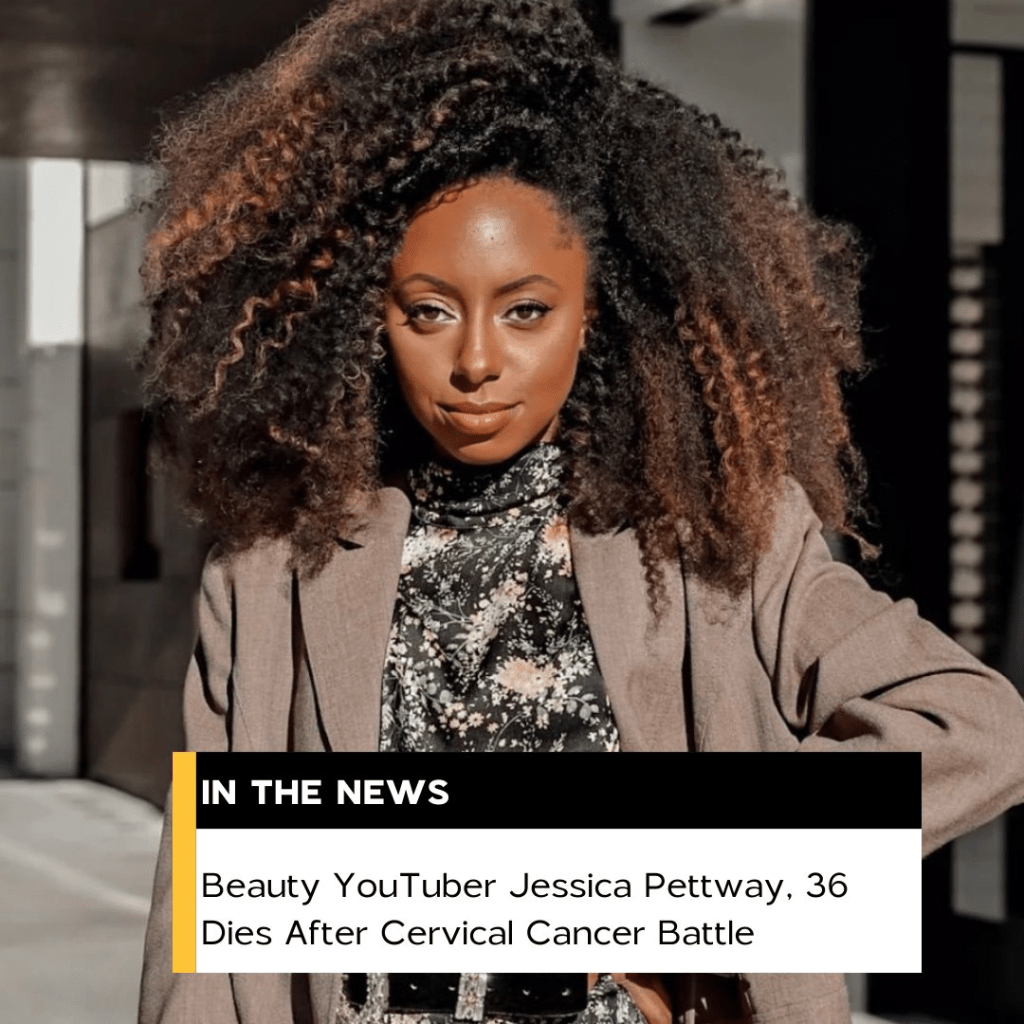
Recently, we mourned the tragic loss of Jessica Pettway, a beauty and fashion influencer, beauty and fashion influencer, whose battle with stage 3 cervical cancer was prolonged due to the repeated dismissal of her symptoms. Of the four times that she attended a healthcare facility, only in the last time she was properly checked and the tumor was found.
Similarly, the ordeal of Candace Marie, a social media strategist, underscored the life-threatening consequences of medical negligence when her collapsed lung went undiagnosed despite persistent pleas for help and repeating constantly to the hospital doctor “I can’t breathe”. Thanks to her friend who believed her and insisted that she should be properly checked , she decided to go to a Primary Care service where they finally performed a CT scan and found the lung collapsed.

These stories, shared by individuals with substantial online presence, beg the question: What about the countless others whose voices remain unheard?
Conversations with a relative illuminated the stark reality of systemic failures within healthcare. My relative has been ignored two times while pregnant. She was telling everyone in the hospital that she was feeling the baby was coming, but nobody believed her. The first baby was almost delivered on the hospital floor as she was walking and she started to have contractions and the baby started to come out. The second time she was given so much sedative to probably “calm her down” because she was considered too agitated, that when 30 minutes later the baby was delivered, she could not hear the baby crying thinking the worst while the baby was instead sleeping because of too much sedative in the baby’s blood.
I was shocked to hear the story and asked her if she reported to anyone and she replied “I was just a new mum with other kids to take care of. I did not have the energy”.
But we need to speak up, we need to talk.
In the wake of the pandemic, heightened attention has been directed towards the disproportionate burden of adverse health outcomes borne by black and ethnic minority women ( Maternal mortality rates, perinatal complications, stillbirths, STI, HIV, late cancer stages) persist at alarming rates, largely fueled by bias, discrimination, and racism entrenched within healthcare systems.
My question is, what can we do? Like really in practice?
In confronting this endemic, action is imperative. Research serves as the foundational step, with numerous initiatives and advocacy efforts aimed at raising awareness and generating data to drive meaningful change. But what can we, as healthcare professionals, institutions, governments, and individuals, do in practical terms to halt this crisis?
I have reflected on it a lot.
As practitioners, we must actively engage in dismantling systemic biases, advocating for diverse representation within healthcare, and amplifying the voices of marginalized communities. Institutions and governments must prioritize initiatives and funds that address healthcare disparities, invest in comprehensive training on systemic racism and bias, and foster a healthcare workforce that mirrors the communities it serves.
But above all, collective action is paramount. The Feminist Health exists not merely as a platform but as a beacon of hope, amplifying narratives that demand change. Through unified efforts, we can advocate for increased funding for research, implement policies that promote equitable access to healthcare services, and create campaigns that challenge entrenched biases.
This is not a solitary endeavor; it is a communal call to action. Together, we possess the power to effect tangible change, ensuring that every individual, irrespective of ethnicity or background, receives the dignified and equitable healthcare they deserve.
So, my sisters, let us heed this call and harness our collective power to amplify our voices. Our health is our right, and it is incumbent upon us to demand nothing less.
 The Feminist Health CIC