

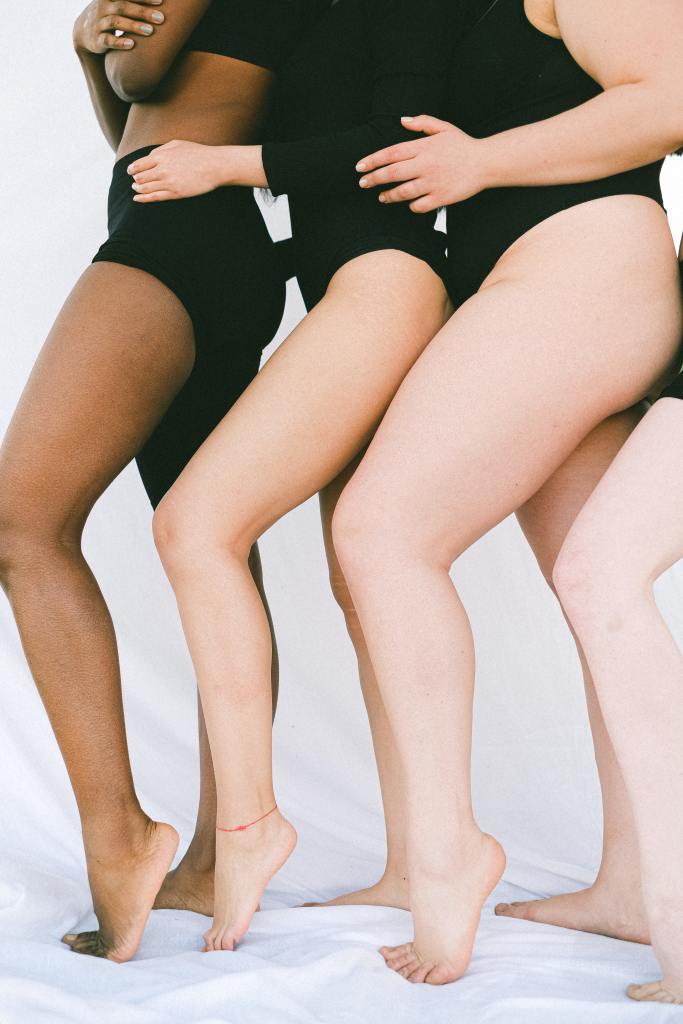
Beauty standards have always been extremely prevalent throughout human history, and today they drastically affect everyday interaction, the media, and the commercial world. They determine what is “beautiful”, from body shape, to facial proportions, to height and weight.”
We’ve all been victims of beauty standards one way or another. Being told ‘You have to be skinny but not too skinny, tall but not too tall, have boobs but they shouldn’t be too big, have a bum but it shouldn’t be too much, stay youthful but don’t you dare look like you had any cosmetic work done.’ Oftentimes, I, among others, tend to ignore it because that’s what has been deemed as normal through media and in everyday interactions but the way this mentality has negatively affected people, young and old, makes it an issue worth addressing.
The ideal body type, for both men and women, has been evolving throughout history. Even today the ‘ideal body’ is different from culture to culture. Features that certain people are shamed for, others are praised for and others strive to have those features, going to extremes of undergoing cosmetic surgery to attain them. The most popular example is the desire to have a big bum, which has led to a 77.6 percent rise in the requests plastic surgeons get for Brazilian butt lifts in the last 7 years. It’s so strange to me that certain body features become popular because revered celebrities decided to go under the knife to have the big butt effect yet someone like Sarah Baartman was stripped of her clothes and dignity as she was displayed as a freak show in Great Britain simply because she had phenotypic traits associated with women of African descent.
It’s safe to say that celebrity representation has a great influence on what’s considered as an ‘acceptable body type’. Limited representation in rankings such as the People magazine’s list of ‘The 50 most beautiful people in the world’ further supports the lack of inclusivity in the media. This ranking has been published in 32 issues of the magazine, with the ‘most beautiful person’ being on the cover. Only three of those had a black woman at the front, none of them had a person that’s plus size; only three of them had a man, of which, none of them was a man of colour. This further instils the idea that plus size people and people of colour, mostly black people, are not regarded as beautiful. It’s very disturbing that black men are desired for being ‘tall, dark and handsome’ yet they are not appreciated and recognized for said handsomeness. That only feeds into the belief that black men are regarded as objects of desire being consumed as commodities with no substantial value attached to them.
To echo the effects of beauty standards in black men, Derek Owusu, writer, mentor and host on literature podcast, Mostly Lit, said “It’s interesting to explore what goes through the mind when feeling physically unattractive, and which coping mechanisms are employed when it becomes too much to bear.” Showing that although most men act as if they don’t care for how the world views them, they have developed a multitude of defence mechanisms like emotional unavailability and the inability to commit, due to insecurities about their physical appearances.
Surprisingly, these insecurities start from childhood. Young men and women are growing up in societies that highlight their distinctive features and belittle them for it. I remember when I was going through puberty and certain body features were becoming more prominent. I didn’t look like the other kids around me, my body looked older than what my age was. In an attempt to help me fit in with the other kids I was put me on numerous diets by my mom. She may have been trying to help me but looking back, it created a sense of self hate. Leading to changes in my posture and way of dressing. I would walk, sit and act in a way that reduced the appearance of the most obvious features of my body. I would use bigger clothes to try and hide them as well. It wasn’t until I went to university where a friend of mine would constantly show appreciation for my body shape and she would instil, in me, a positive mindset towards myself. Over time, I believed her. My posture changed, i began walking, sitting, acting and dressing with confidence. All because one person believed I am beautiful and constantly reminded me of that fact.
I believe it is important that people are celebrated for their natural features. Stereotypes have no place in this diverse world where no two people are alike. Everyone deserves to be comfortable and confident just being themselves.
At the end of the day, what gives anyone the right to tell someone what the ‘acceptable’ body features are? The Bible does say, ‘judge not, lest ye be judged’.
Reference
https://www.scienceofpeople.com/beauty-standards/
https://www.vikingvibe.com/post/the-effect-of-beauty-standards-on-adolescents
https://people.com/celebrity/peoples-most-beautiful-a-look-back-at-the-covers/
https://www.npr.org/templates/story/story.php?storyId=10057104
https://serendipstudio.org/exchange/jpierre/history-big-butts
https://21ninety.com/the-bbl-era-is-ending-heres-why-women-are-over-the-trend?item=5
https://uw.manifoldapp.org/read/beauty-standards
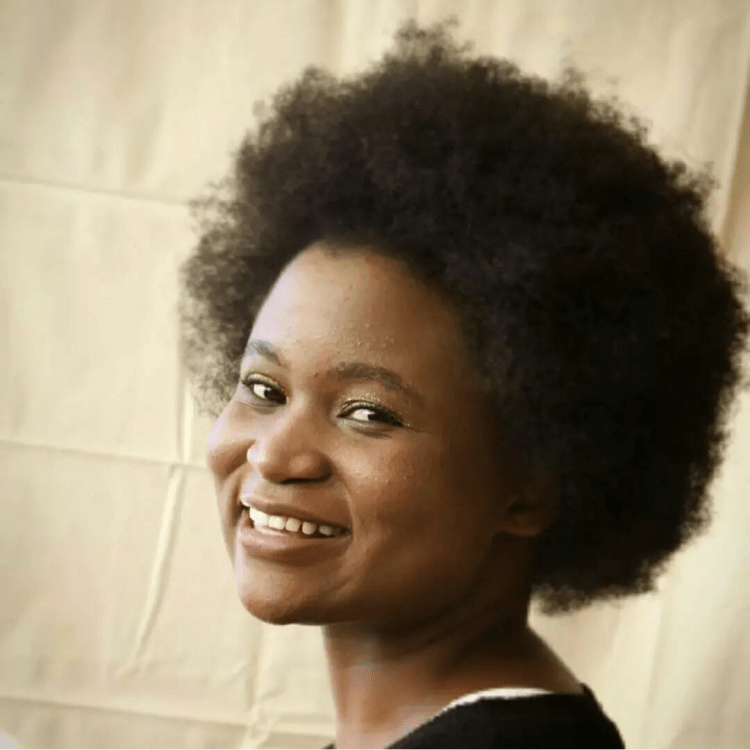
Kupakwashe Antonette Chimonyo
Kupakwashe is a writer for The Feminist Health Blog and hopes to support people, even if it’s only one person, lean more into who they are and to appreciate themselves. She believes self love is the root of peace and happiness.
 The Feminist Health CIC